- Tel:+8616638907067
- Email:[email protected]
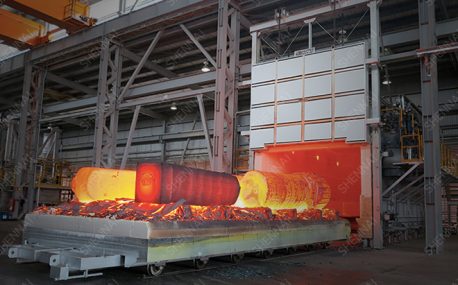
Tempering is a heat treatment process in which the quenched metal workpiece is heated to a temperature range below the critical temperature, kept warm for a certain period of time, and then cooled to room temperature. It can usually be divided into the following stages, each with its own unique mechanism:Low-temperature tempering stage (150℃-250℃)Organization transformation: excerpt …
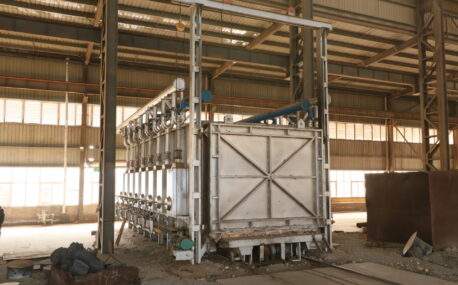
Carbon steel castingsChanges in mechanical properties: Tempering can eliminate quenching internal stress, reduce hardness and strength, and improve toughness and plasticity. For example, high carbon steel castings have high hardness and high brittleness after quenching. After low temperature tempering, they can greatly improve toughness while maintaining a certain hardness, so that they can meet the excerpt …
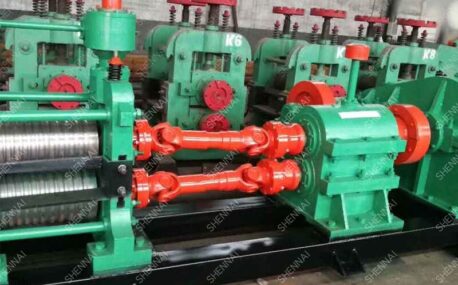
In the metal processing industry, we often use rolling mills, so the role of rolling mills in the metal industry is still relatively large, but many friends do not understand the adjustment and use of rolling mills. When using the rolling mill, it should be noted that the rolling mill does not exceed the use excerpt …
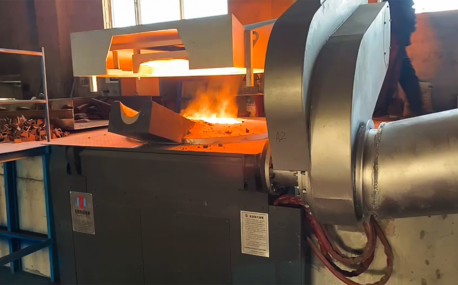
The main differences between reduction ironmaking and electric furnace melting of cast iron are as follows: PrincipleReduction ironmaking: It is the process of reducing iron oxides in iron ore into metallic iron using a reducing agent. For example, in blast furnace ironmaking, coke is used as fuel and reducing agent. At high temperature, carbon monoxide excerpt …
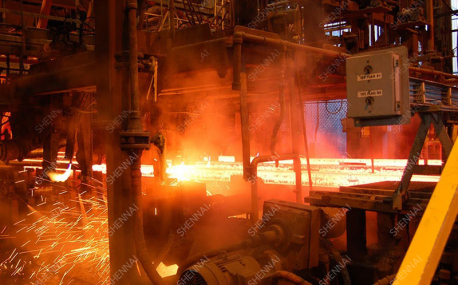
List of steel rolling production line equipment
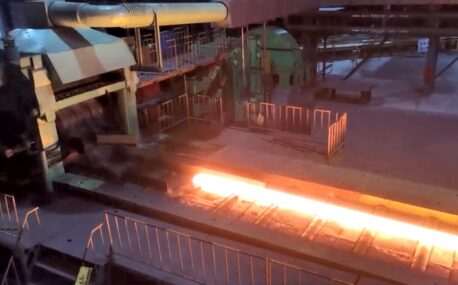
1. What is a bar mill A bar mill is a device that processes metal materials using a rolling process with several rollers. It can transform metal bars into different shapes and sizes, and occupies an important position in the metal processing industry. A bar mill is usually composed of a drive system, a reducer, excerpt …

Please send us your request and we will reply to you within 24 hours.
We will get in touch with you as soon as possible
