- Tel:+8616638907067
- Email:[email protected]
A steel shell induction furnace price cannot be judged by furnace size alone. For foundries, steel plants, metal recycling lines, casting workshops, and equipment distributors, the final quotation usually depends on capacity, rated power, power supply matching, cooling system, tilting method, control configuration, spare parts, installation conditions, and OEM requirements. A low furnace-body price may excerpt …
A steel shell induction furnace price cannot be judged by furnace size alone. For foundries, steel plants, metal recycling lines, casting workshops, and equipment distributors, the final quotation usually depends on capacity, rated power, power supply matching, cooling system, tilting method, control configuration, spare parts, installation conditions, and OEM requirements. A low furnace-body price may look attractive, but it may not represent a complete melting system.
This guide explains how B2B buyers can compare steel shell induction furnace quotations, understand the main cost drivers, prepare useful RFQ information, and choose a supplier based on technical fit rather than price alone.
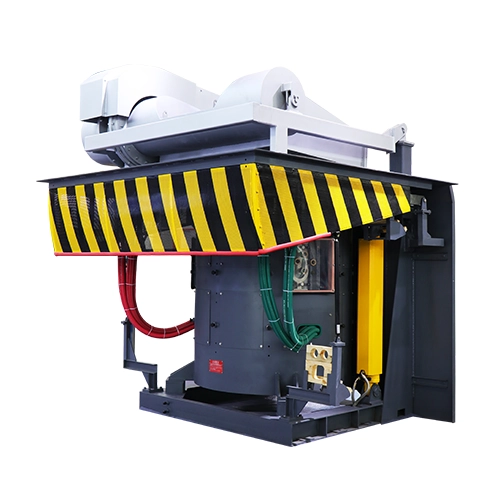
Steel shell induction furnace prices vary because most projects are configured around a specific production requirement. A buyer melting cast iron in a foundry may need a different system from a steel plant running longer shifts or a recycling line handling mixed scrap. The price may also change when the project requires a medium frequency power supply, capacitor cabinet, cooling tower, hydraulic tilting system, refractory material, water-cooled cables, leakage protection, or spare parts package.
A fixed price is difficult before the supplier understands the application. Key information includes metal type, single batch capacity, daily output, local voltage, working hours, cooling water condition, workshop layout, and destination port.
For buyers who still need to understand the basic operating logic before comparing quotations, this steel shell induction furnace working principle and selection guide explains the working principle, benefits, and key selection factors in more detail.
The main risk is comparing incomplete quotations. One supplier may quote only the furnace body, while another may include power supply, cooling system, auxiliary equipment, and commissioning support. Buyers should compare the scope of supply before comparing the number at the bottom of the quotation.
Capacity has a direct effect on steel shell furnace cost because larger capacity usually requires a stronger furnace body, higher rated power, larger electrical system, stronger cooling support, and more demanding installation conditions. However, a larger furnace is not always the better choice.
The right steel shell furnace capacity should match batch weight, output target, melting schedule, and pouring rhythm. A furnace that is too small may create bottlenecks. A furnace that is too large may increase power demand, cooling load, installation cost, and idle capacity.
| Capacity Situation | Typical Application | Buyer’s Main Concern |
| Small capacity | Repair casting, small workshop | Layout, budget, flexible melting |
| 1T–5T | Foundry, recycling line | Output, power supply, cooling |
| 5T–10T | Steel casting, medium-heavy production | Tilting safety, lining life, uptime |
| 10T+ | Steel plant, large foundry | Continuous operation, full system support |
Buyers should not select capacity only by tonnage. The supplier should also check the metal being melted, target melting time, available power, cooling condition, and whether the furnace will be used occasionally or continuously.
A steel shell induction melting furnace is not only a furnace body. The power supply and cooling system are critical parts of the complete equipment package. If the medium frequency power supply is not matched correctly, the furnace may fail to reach the expected output, or the electrical system may require changes before installation.
The cooling tower and water system also affect long-term operation. Cooling conditions should be checked against the rated power, operating environment, local water quality, and working hours. For high-output production, cooling reliability can influence downtime, equipment protection, and maintenance planning.
A complete quotation for a steel shell induction furnace should clearly state what is included. Buyers should check whether the package covers furnace body, medium frequency power supply, capacitor cabinet, hydraulic system, cooling tower, refractory material, water-cooled cables, spare parts, and installation guidance. Items that are not included should be listed separately to avoid unexpected project cost.
Customized steel shell induction furnace projects often require more than a standard model. OEM and ODM requests may involve capacity, voltage, frequency, furnace structure, hydraulic tilting method, control cabinet, safety protection, documentation, spare parts, or nameplate requirements.
Voltage and frequency should be confirmed early, especially for overseas projects. If local electrical conditions differ from the standard configuration, the system may need adjustment. The same applies to cooling conditions, workshop layout, crane access, foundation space, and pouring direction.
For distributors or equipment manufacturers, OEM documentation may also matter. Manuals, drawings, packing details, spare parts lists, and project documents should be discussed before production. These requirements can affect the final quotation and delivery preparation.
A steel shell furnace is often considered when the buyer needs stronger structure, stable tilting, higher production load, or better suitability for heavy-duty melting. In foundries, buyers usually care about batch capacity, pouring safety, furnace lining life, and production rhythm. In steel plants, attention often moves to continuous operation, power supply matching, cooling reliability, and large-capacity production. In recycling lines, buyers may focus on scrap condition, charging impact, maintenance access, and downtime control.
The Luoyang Shennai Power Equipment Co., Ltd. product range covers induction melting furnace equipment, cooling tower, induction furnace refractory, auxiliary equipment, medium frequency power supply, and spare parts. This product structure is useful for buyers who need more than a single furnace body and want to evaluate a complete melting system.
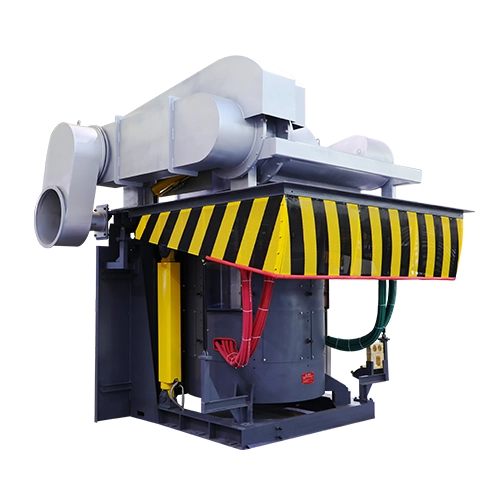
A steel shell induction furnace supplier should be evaluated by technical communication, configuration clarity, and system supply capability. Before offering a quotation, a qualified supplier should ask about material type, batch capacity, daily output, voltage, frequency, cooling water, workshop layout, and working schedule.
Buyers should also check whether the supplier can support complete equipment matching. Furnace body, power supply, cooling tower, refractory material, auxiliary equipment, and spare parts should work as a system. When one part is selected only by lowest cost, the project may face installation changes or operating problems later.
About Luoyang Shennai Power Equipment Co., Ltd. states that the company was established in 2012, has about 150 employees, a 40,000-square-meter factory area, and an annual output of 500 electric furnaces. These details help buyers understand the company background when comparing steel shell induction furnace factory options.
A clear RFQ helps the supplier provide a more accurate steel shell induction furnace quotation. Instead of asking only for “one steel shell furnace price,” buyers should provide:
For replacement projects, buyers should also send old furnace capacity, existing power supply condition, main failure issue, photos, drawings, and current production problem. This helps the supplier judge whether the project needs a direct replacement, capacity upgrade, or full system adjustment.
Steel shell induction furnace price depends on configuration, not only capacity. Buyers should compare rated power, power supply, cooling tower, hydraulic tilting, refractory, spare parts, installation conditions, and OEM requirements before making a purchasing decision.
For foundries, steel plants, recycling lines, distributors, and replacement projects, the best next step is to prepare metal type, batch capacity, daily output, local voltage, cooling condition, workshop layout, target quantity, application scenario, and available drawings or equipment photos. A clear RFQ makes it easier to receive a suitable technical recommendation and quotation. Buyers can request a steel shell induction furnace quote after preparing these project details.
Q1: How much does a steel shell induction furnace cost?
A1: The cost depends on capacity, rated power, power supply, cooling tower, tilting system, control configuration, refractory, spare parts, installation condition, and OEM requirements. A complete quotation should list what is included and what needs to be purchased separately.
Q2: How do I choose steel shell furnace capacity for my foundry?
A2: Capacity should be selected based on single batch weight, daily output, metal type, number of working hours, pouring schedule, available power, and cooling condition. A larger furnace is not always better if the production line cannot use the extra capacity efficiently.
Q3: What power supply is needed for a steel shell induction furnace?
A3: The power supply depends on furnace capacity, melting material, target melting speed, local voltage, frequency, and operating schedule. It should be matched with the furnace body, cooling system, and control configuration before purchase.
Q4: Can a steel shell induction furnace be customized for OEM or ODM projects?
A4: Yes, customization may involve capacity, voltage, frequency, hydraulic tilting, control cabinet, safety protection, documentation, spare parts, and packaging requirements. The exact scope should be verified against the application and supplier specification.
Q5: What information should be sent before requesting a steel shell furnace quotation?
A5: Buyers should send metal type, batch capacity, daily output, working hours, local voltage, cooling condition, workshop layout, destination port, required auxiliary equipment, and replacement photos or drawings if the project involves an old furnace.
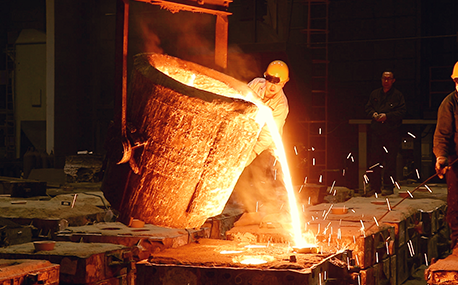
In the forging workshop, industrial furnaces smelt metals, including cupola, induction furnace, resistance furnace, electric arc furnace, vacuum furnace, open hearth furnace, crucible furnace, etc; There are sand mold drying furnace for baking sand mold, ferroalloy drying furnace and casting annealing furnace, etc; In the forging workshop, there are various heating furnaces for heating ingots or billets before forging and heat treatment furnaces for relieving stress after forging;
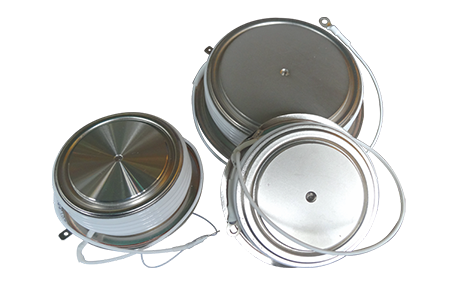
The most effective way for the failure of the medium frequency furnace is to use the low current experiment to judge whether it is the fault of the rectifier circuit or the fault of the inverter part. In the low current experiment, when the DC voltage is less than 513v, it indicates that there is a phase loss fault in the DC rectifier part. Check the specific thyristor fault, and the pulse breaking method should be used to judge whether it is the thyristor fault or there is no trigger pulse.
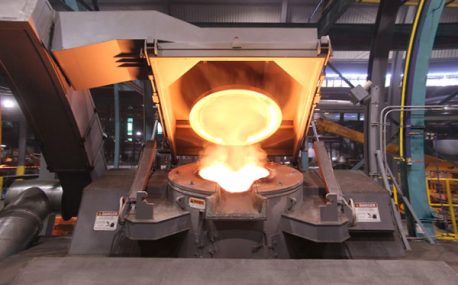
The most effective method for the failure of the intermediate frequency furnace is to use a small current experiment to judge whether the rectifier circuit is faulty or part of the inverter fault. When the DC current is less than 513 volts

Please send us your request and we will reply to you within 24 hours.
We will get in touch with you as soon as possible
