- Tel:+8616638907067
- Email:[email protected]
The selection of an aluminum shell induction furnace factory is hardly ever a case of ordinary product searching. In most cases, a buyer’s quest starts from finding out the need for melting capacity increase, replacing old furnaces, supplier comparisons, or getting a trustworthy quotation from one of the available manufacturers. In essence, the questions that excerpt …
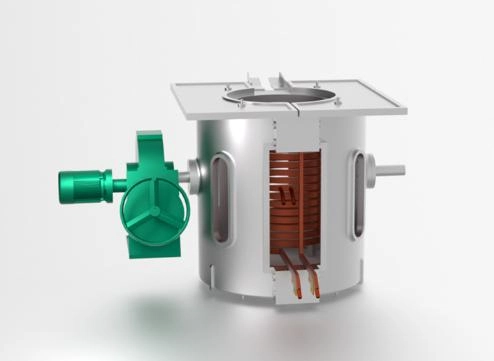
The selection of an aluminum shell induction furnace factory is hardly ever a case of ordinary product searching. In most cases, a buyer’s quest starts from finding out the need for melting capacity increase, replacing old furnaces, supplier comparisons, or getting a trustworthy quotation from one of the available manufacturers. In essence, the questions that matter are much more specific, including: “What is an aluminum shell induction furnace?”, “Which capacity suits my purposes best?”, “What makes the price?”, “What customization options are available?” and “How will the supplier help me after delivery?”.
Aluminum shell furnace can be a good fit for small-medium size foundries, workshops, metal recycling companies and flexible melting projects. However, proper configuration of such furnace highly depends on a particular application, including metal type, charge weight, daily output, available voltage, cooling conditions, operating hours and installation environment. It means that even a low initial price cannot save on total project cost, because inappropriate furnace capacity, power source, cooling system and/or spare parts package can ruin the whole project.
This guide explains how B2B buyers can evaluate an aluminum shell induction furnace factory, compare OEM options, understand price factors, and prepare the right information before requesting a quote.
Most searches for “aluminum shell induction furnace factory” come from buyers who already have a real production need. They may be planning a new casting line, replacing a damaged or outdated furnace, expanding melting capacity, or sourcing equipment for a customer project. In many cases, the buyer is not only comparing equipment models but also judging whether the factory can provide technical guidance, stable supply, custom configuration, and after-sales support.
A purchasing manager may focus on price, delivery, payment terms, and supplier credibility. An engineer may care more about capacity, power, voltage, melting material, furnace lining, cooling water, and safety protection. A distributor may need OEM documentation, spare parts, and configuration flexibility. A maintenance team may want to know whether a new furnace can match the existing power supply, cooling tower, workshop layout, and operating habits.
This is why an aluminum shell induction furnace supplier should not only provide a basic product name. A qualified factory should help the buyer clarify the application first. The most useful discussion usually starts with metal type, single batch capacity, daily output, local voltage, working hours, workshop conditions, and expected budget range.
For buyers comparing Chinese suppliers, Luoyang Shennai Power Equipment Co., Ltd. is relevant to this topic because its product line covers induction melting furnaces, aluminum shell furnaces, steel shell furnaces, power supply systems, cooling equipment, refractory materials, auxiliary equipment, and spare parts.
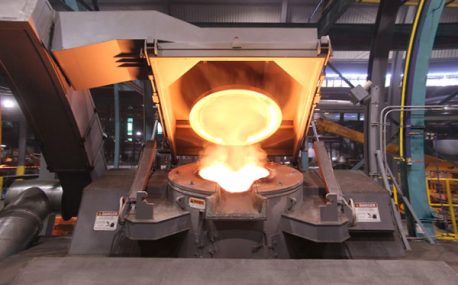
The Aluminum shell furnace is normally thought of when customers have a need for a compact and flexible furnace which is economical at the same time. It is chosen normally for small and medium foundry workshops where the melting process rhythm does not match that of large continuous foundries. This furnace arrangement would normally be easier in the constrained space of a workshop, and the capital cost would suit cases where there is a need for practical melting ability without going for a larger furnace like the steel shell furnace.
Small foundries may use the aluminum shell induction melting furnace for normal casting, trial casting, repair casting, or batch melting of various metals. Scrap recycling plants may use it for melting scrap metal, melting copper alloys, melting aluminum alloys, melting zinc alloys, and other metal recovery activities. Metal processing or machinery manufacturing shops may find the furnace useful for internal melting rather than total dependence on external supplies.
The most important point is that the furnace should match the duty cycle. If the application involves frequent heavy loads, long working hours, larger batch capacity, or higher structural safety requirements, a steel shell furnace may be more suitable. Buyers who are still comparing the two structures can review steel shell vs aluminum shell induction melting furnace before making a final selection.
An aluminum shell furnace is usually a better fit when the buyer needs moderate capacity, flexible melting, controlled investment, and a configuration that can be adjusted around local operating conditions. It is not the right choice simply because the initial price is lower. The final decision should be based on workload, production target, metal type, safety requirements, and long-term maintenance expectations.
Capacity selection is one of the most important parts of purchasing an aluminum shell induction furnace. A furnace that is too small may slow production, increase melting cycles, and create scheduling pressure. A furnace that is too large may raise investment cost, power demand, cooling requirements, and operating complexity. The best capacity should be based on actual batch weight and daily output, not only on the buyer’s preferred budget.
A small workshop may consider a lower-capacity aluminum shell furnace when the production volume is limited, melting is occasional, or the project requires flexible small-batch operation. A small or medium foundry may require a larger furnace if it melts regularly each day and needs stable production output. A higher-capacity project should be checked carefully against power availability, cooling conditions, working hours, and whether an aluminum shell structure remains the best fit.
| Capacity Range | Typical Buyer Situation | Purchasing Judgment |
| 0.25T–0.5T | Small workshops, repair casting, flexible melting | Suitable when batch size is limited and investment control is important |
| 1T | Small to medium foundries, regular casting, recycling | Suitable when stable production is needed but space and budget remain controlled |
| 2T–3T | Medium foundries and higher-output melting lines | Requires closer review of power, cooling, operating hours, and furnace structure |
| Above 3T | Heavy-duty or continuous production projects | Steel shell furnace may need to be considered depending on workload and safety requirements |
Power and voltage should be reviewed together with capacity. A buyer should not choose a furnace only by tonnage. The rated power, local grid condition, melting material, furnace lining, cooling water, and target melting speed all affect whether the system can run properly. If the local voltage, frequency, or power supply condition differs from the factory’s standard configuration, custom design may be required.
Before asking for a capacity recommendation, buyers should prepare the metal type, single batch weight, target daily output, working hours per day, local voltage, local frequency, and available cooling water condition. This information helps the supplier recommend a realistic furnace configuration instead of giving a rough price that may change later.
Many buyers search for “aluminum shell induction furnace price” or “aluminum shell induction furnace factory price” before contacting a supplier. This is understandable, but industrial furnace pricing depends on configuration. A quotation that looks low at first may not include the complete system, required accessories, spare parts, installation support, or customization needed for the actual application.
The first price factor is capacity. A larger furnace generally requires a stronger furnace body, higher power, larger electrical configuration, and more demanding cooling support. The second factor is rated power and power supply type. A furnace system may vary depending on whether the project needs a certain medium-frequency power supply, control cabinet, protection system, or automation level. These details should be verified against the product specification.
The third factor is melting material. Steel, cast iron, copper alloy, aluminum alloy, brass, bronze, and zinc alloy may require different operating considerations. Furnace lining, working temperature, melting cycle, and maintenance expectations may vary by material and production rhythm. The fourth factor is local installation condition. Voltage, frequency, workshop layout, cooling water, foundation, lifting conditions, and operator experience can all affect the final configuration.
Auxiliary equipment also matters. A complete furnace project may involve the furnace body, power supply, capacitor cabinet, cooling tower, water pipes, hydraulic or mechanical tilting system, refractory material, spare parts, and safety protection. Buyers reviewing an aluminum shell induction furnace should confirm what is included in the quotation and what must be purchased separately.
The right approach is to compare quotations by configuration, not only by headline price. A practical quotation should clearly state the capacity, rated power, input voltage, applicable material, included equipment, spare parts, installation support, and warranty or service terms that apply to the project.
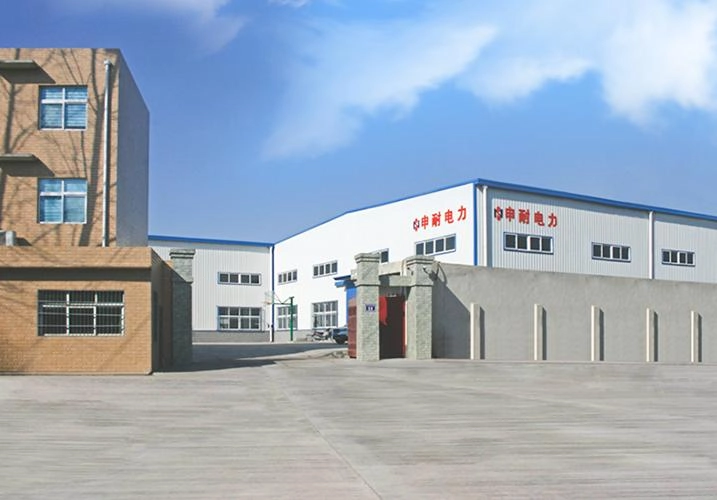
OEM aluminum shell induction furnace orders are common in B2B procurement because foundry conditions are rarely identical. A factory may need to adjust the furnace configuration based on voltage, capacity, melting material, workshop layout, control preference, cooling system, spare parts package, or customer documentation requirements.
Custom capacity and furnace body configuration are usually the first items to discuss. The buyer should clarify whether the furnace will be used for occasional melting, daily casting, recycling operation, or production expansion. The supplier can then recommend whether a certain capacity and structure are suitable for the workload.
Custom voltage and power supply are also important. Buyers in different markets may need equipment configured around local electrical conditions. This should be verified early because voltage mismatch can cause installation delays, additional electrical cost, or operating risk.
Cooling and safety protection should not be treated as secondary details. Induction melting equipment requires proper cooling support, and the cooling system should match the power level, operating environment, and daily working time. Protection functions, control cabinet layout, and spare parts planning may vary by configuration and should be discussed before production.
For distributors and project contractors, OEM requirements may also include manuals, drawings, nameplate information, spare parts lists, packing details, and documentation needed for local installation or resale. These items should be agreed upon before the order is confirmed.
A common buyer question is whether an aluminum shell furnace can melt a specific metal. The answer depends on the furnace design, power configuration, furnace lining, working conditions, and production target. In many industrial applications, aluminum shell induction furnaces may be used for metals such as steel, cast iron, copper and copper alloys, aluminum and aluminum alloys, zinc alloys, brass, and bronze, depending on the selected configuration.
For cast iron and steel melting, buyers should pay attention to capacity, power, lining material, working temperature, melting rhythm, and maintenance plan. If the production load is heavy or continuous, the structural choice should be reviewed carefully.
For copper, brass, and bronze melting, buyers should clarify the alloy type, batch weight, and required temperature control. These materials may appear similar in a purchase request, but the actual melting behavior, oxidation control, and furnace lining considerations may differ by application.
For aluminum alloy and zinc alloy melting, buyers should avoid confusing “aluminum shell furnace” with “aluminum melting furnace.” The term “aluminum shell” refers to the furnace shell structure, while “aluminum melting” refers to the metal being processed. A buyer searching for aluminum shell induction furnace may need a furnace with an aluminum shell structure, not necessarily a furnace only for melting aluminum.
This distinction matters for SEO and for procurement accuracy. When sending an inquiry, the buyer should specify the metal to be melted, not only the furnace structure.
Supplier selection should be based on more than a product photo and a low quotation. A reliable aluminum shell induction furnace manufacturer should help the buyer match the equipment to the application, explain the quotation clearly, and support the project beyond the initial sale.
The first factor is product coverage. A supplier that can provide the furnace body, power supply, cooling tower, refractory material, auxiliary equipment, and spare parts may help reduce coordination problems during procurement. The buyer should confirm whether the quotation includes a complete system or only the furnace body.
The second factor is technical communication. The supplier should ask about metal type, batch capacity, daily output, voltage, frequency, cooling water, workshop layout, and working hours. If a supplier gives a fixed price without asking these questions, the buyer should verify whether the quotation is truly suitable.
The third factor is service capability. For overseas buyers, installation guidance, commissioning support, spare parts availability, and technical response are important. These details may affect downtime, operator training, and future maintenance costs.
The fourth factor is factory background. About Luoyang Shennai Power Equipment Co., Ltd. shows that the company was established in 2012, has about 150 employees, a 40,000-square-meter factory area, and an annual output of 500 electric furnaces. These confirmed details can help buyers understand the supplier’s production foundation when comparing China aluminum shell induction furnace suppliers.
The fifth factor is communication quality. A good supplier should help the buyer reduce uncertainty. Clear questions, clear configuration documents, and practical RFQ guidance are often more valuable than broad claims.
A clear RFQ helps the supplier recommend the right aluminum shell furnace and prepare a more accurate quotation. Buyers should avoid sending only “Please quote one induction furnace.” That usually leads to repeated communication and unclear pricing.
A strong RFQ should include the metal type, single batch capacity, target hourly or daily output, working hours per day, local voltage, local frequency, and current workshop conditions. If the furnace is replacing old equipment, the buyer should also provide the existing furnace capacity, power supply condition, cooling system, main failure issue, and any available photos or drawings.
For new projects, the buyer should describe the application, expected production schedule, installation location, destination port, cooling water condition, and whether spare parts, refractory material, installation guidance, or operator training are needed. If the project requires OEM support, the buyer should also mention documentation, nameplate, language, packing, or distributor requirements.
A practical quotation request may include:
Buyers who are ready to compare configurations can contact SHENNAI induction melting furnace supplier with these details to receive a more relevant furnace recommendation.
An aluminum shell induction furnace factory guide is most useful when it helps buyers make a real procurement decision. The key is not only understanding the furnace name, but knowing how to match capacity, power, material, cooling, voltage, OEM options, and supplier capability to the actual production requirement.
For small and medium foundries, recycling plants, casting workshops, repair teams, and distributors, an aluminum shell induction furnace may be a practical choice when the application requires flexible melting, moderate capacity, and controlled investment. However, the final configuration should always be verified against the material, batch weight, working time, power condition, cooling system, and long-term maintenance plan.
Before requesting a quotation, buyers should prepare the metal type, batch capacity, daily output, voltage, operating environment, target quantity, application scenario, and any drawings or photos from the existing equipment. Clear project information helps the supplier recommend a suitable furnace instead of a generic model.
Q1: How do I know which aluminum shell induction furnace capacity is right for my application?
A1: The right capacity depends on the single batch weight, daily output target, melting material, working hours, and available power. A 0.25T–0.5T furnace may suit smaller workshops or flexible melting, while 1T–3T models may suit regular foundry or recycling production. Higher-capacity or heavy-duty applications should be checked carefully to decide whether an aluminum shell furnace or steel shell furnace is more suitable.
Q2: What affects aluminum shell induction furnace price?
A2: Aluminum shell induction furnace price depends on capacity, rated power, power supply configuration, voltage requirement, melting material, cooling system, tilting method, control cabinet, spare parts package, shipping, and installation support. Buyers should compare complete configurations rather than only comparing the lowest quoted price.
Q3: Can an aluminum shell furnace melt steel, cast iron, copper, brass, and aluminum?
A3: An aluminum shell induction furnace may be used for different metals, including steel, cast iron, copper alloys, brass, bronze, aluminum alloys, and zinc alloys, depending on the selected configuration, furnace lining, power level, and operating conditions. The material should always be stated clearly before quotation.
Q4: Is an aluminum shell induction furnace suitable for a small foundry?
A4: Yes, it can be suitable for a small foundry when the production volume, batch size, working hours, and budget match the furnace configuration. It is often considered for compact workshops, flexible melting, and moderate output. If the foundry requires continuous heavy-duty operation or larger batch capacity, a steel shell furnace may need to be evaluated.
Q5: What information is needed to request an OEM aluminum shell induction furnace quote?
A5: A useful RFQ should include metal type, batch capacity, daily output, local voltage, frequency, working hours, workshop layout, cooling condition, destination port, spare parts needs, and any OEM documentation requirements. If the furnace will replace existing equipment, photos, drawings, old furnace specifications, and failure details can help the supplier recommend a better replacement solution.
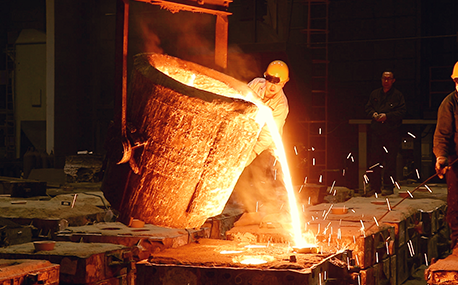
In the forging workshop, industrial furnaces smelt metals, including cupola, induction furnace, resistance furnace, electric arc furnace, vacuum furnace, open hearth furnace, crucible furnace, etc; There are sand mold drying furnace for baking sand mold, ferroalloy drying furnace and casting annealing furnace, etc; In the forging workshop, there are various heating furnaces for heating ingots or billets before forging and heat treatment furnaces for relieving stress after forging;
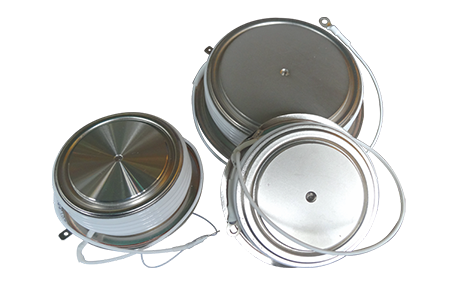
The most effective way for the failure of the medium frequency furnace is to use the low current experiment to judge whether it is the fault of the rectifier circuit or the fault of the inverter part. In the low current experiment, when the DC voltage is less than 513v, it indicates that there is a phase loss fault in the DC rectifier part. Check the specific thyristor fault, and the pulse breaking method should be used to judge whether it is the thyristor fault or there is no trigger pulse.
The most effective method for the failure of the intermediate frequency furnace is to use a small current experiment to judge whether the rectifier circuit is faulty or part of the inverter fault. When the DC current is less than 513 volts

Please send us your request and we will reply to you within 24 hours.
We will get in touch with you as soon as possible
