- Tel:+8616638907067
- Email:[email protected]
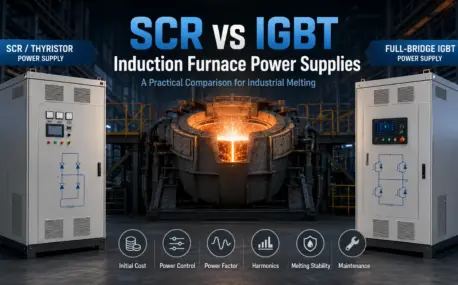
There is no universal winner in an SCR vs IGBT induction furnace comparison. IGBT is often worth closer evaluation when a foundry needs responsive power regulation, stable output as the furnace load changes, flexible part-load operation, and modular fault management. SCR can remain a practical option for large-capacity or higher-voltage systems, plants with mature thyristor excerpt …
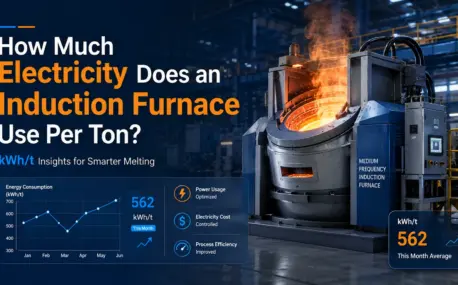
A practical reference for induction furnace energy consumption per ton is approximately 530–600 kWh per metric ton when melting steel. For a well-operated modern iron batch melter, about 500–530 kWh per ton can be used as a best-practice planning reference. These figures are not universal performance guarantees: metal grade, tapping temperature, charge condition, furnace utilization, holding time, excerpt …
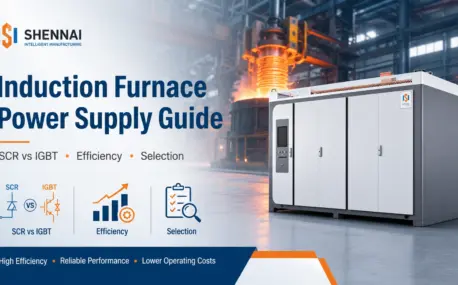
Choosing an induction furnace power supply requires more than comparing rated kilowatts or deciding whether SCR or IGBT sounds more advanced. The correct system must match the metal, furnace capacity, hourly production target, melting cycle, incoming grid, transformer, cooling conditions, maintenance resources, and future expansion plan. An IGBT system may offer greater control flexibility and excerpt …
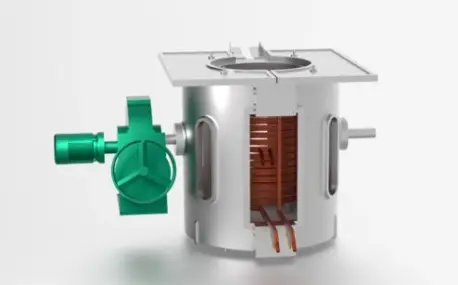
The selection of an aluminum shell induction furnace factory is hardly ever a case of ordinary product searching. In most cases, a buyer’s quest starts from finding out the need for melting capacity increase, replacing old furnaces, supplier comparisons, or getting a trustworthy quotation from one of the available manufacturers. In essence, the questions that excerpt …
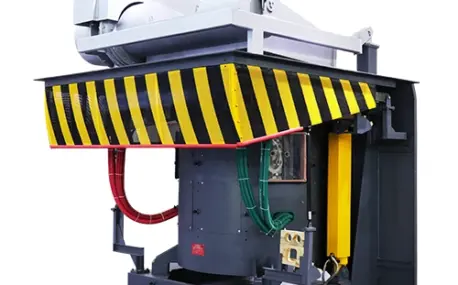
A steel shell induction furnace price cannot be judged by furnace size alone. For foundries, steel plants, metal recycling lines, casting workshops, and equipment distributors, the final quotation usually depends on capacity, rated power, power supply matching, cooling system, tilting method, control configuration, spare parts, installation conditions, and OEM requirements. A low furnace-body price may excerpt …
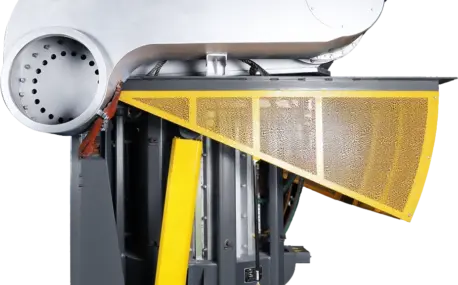
A steel shell induction furnace for heavy-duty foundry operations must do more than melt metal. In a real foundry, the furnace faces repeated charging, high-temperature cycles, slag removal, sample testing, hydraulic tilting, pouring, cooling pressure, and lining maintenance. Buyers usually care about furnace body strength, melting efficiency, magnetic leakage, operator safety, maintenance cost, and long-term production excerpt …

Please send us your request and we will reply to you within 24 hours.
We will get in touch with you as soon as possible
