- Tel:+8616638907067
- Email:[email protected]

In a foundry or metal recycling workshop, a steel shell induction furnace is rarely chosen for one reason only. Buyers usually look at melting speed, furnace body strength, pouring safety, power consumption, cooling reliability, lining life, and service support at the same time. For plants melting steel, cast iron, copper, aluminum alloys, zinc alloys, or mixed excerpt …

In real foundry projects, the comparison of a steel shell vs aluminum shell induction melting furnace usually starts long before the purchase order is issued. Buyers first look at the furnace price, but experienced plant teams quickly move to harder questions: how often the furnace will run, how heavy each charge will be, how stable the tilting excerpt …

For foundries, metal recycling plants, and metal processing workshops, an induction melting furnace solution is not just a furnace body. It is a full equipment system that affects melting speed, power consumption, metal quality, workshop safety, maintenance workload, and long-term production cost. Buyers looking for an industrial metal melting furnace usually need more than a price. excerpt …

Replacement parts play a critical role in: Maintaining Performance: Ensuring consistent melting efficiency.Minimizing Downtime: Avoiding disruptions caused by worn-out components.Extending Lifespan: Preventing extensive damage to the furnace by addressing small issues early.Enhancing Safety: Reducing risks associated with faulty components.Key Replacement Parts for Induction Furnaces
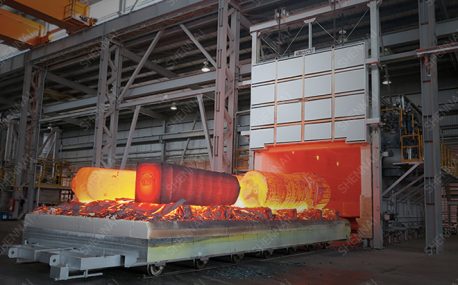
Tempering is a heat treatment process in which the quenched metal workpiece is heated to a temperature range below the critical temperature, kept warm for a certain period of time, and then cooled to room temperature. It can usually be divided into the following stages, each with its own unique mechanism:Low-temperature tempering stage (150℃-250℃)Organization transformation: excerpt …
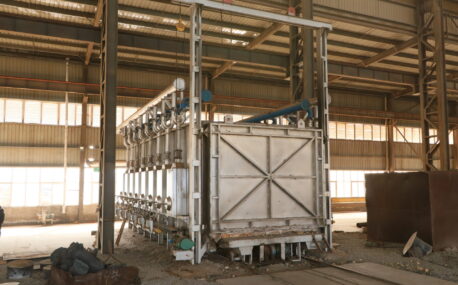
Carbon steel castingsChanges in mechanical properties: Tempering can eliminate quenching internal stress, reduce hardness and strength, and improve toughness and plasticity. For example, high carbon steel castings have high hardness and high brittleness after quenching. After low temperature tempering, they can greatly improve toughness while maintaining a certain hardness, so that they can meet the excerpt …

Please send us your request and we will reply to you within 24 hours.
We will get in touch with you as soon as possible
