- Tel:+8616638907067
- Email:[email protected]
In a foundry or metal recycling workshop, a steel shell induction furnace is rarely chosen for one reason only. Buyers usually look at melting speed, furnace body strength, pouring safety, power consumption, cooling reliability, lining life, and service support at the same time. For plants melting steel, cast iron, copper, aluminum alloys, zinc alloys, or mixed excerpt …
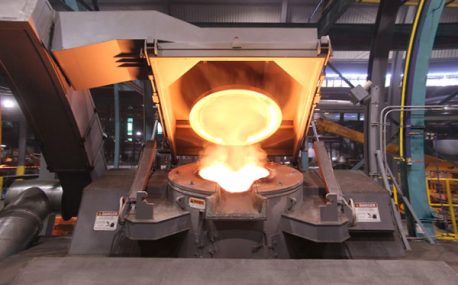
In a foundry or metal recycling workshop, a steel shell induction furnace is rarely chosen for one reason only. Buyers usually look at melting speed, furnace body strength, pouring safety, power consumption, cooling reliability, lining life, and service support at the same time. For plants melting steel, cast iron, copper, aluminum alloys, zinc alloys, or mixed scrap, the furnace must keep running under heat, vibration, dust, and repeated charging. A well-built steel shell furnace is designed for that working environment, especially when production moves beyond small-batch melting.
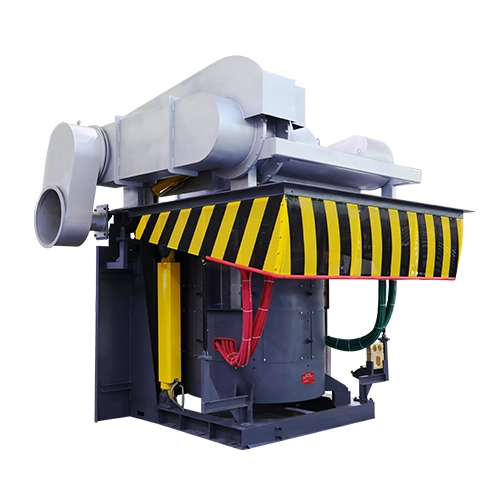
A steel shell induction furnace is a medium frequency induction melting furnace with a rigid steel furnace body. The shell supports the induction coil, refractory lining, magnetic yoke, tilting frame, and pouring structure. In actual casting production, this structure matters because the furnace is not standing still under light load. It is charged, heated, tilted, returned, inspected, and relined through long production cycles.
SHENNAI provides steel shell induction melting furnaces for foundries, metal casting plants, rolling mills, metallurgy, machinery manufacturing, scrap metal recycling, and laboratory melting applications. According to different workshop capacities and melting requirements, the squirrel-cage steel shell furnace is available from 1T to 90T, while the standard hydraulic steel shell furnace covers 250kg to 60T. For small-capacity melting projects, the reducer-type steel shell furnace can be customized up to 750kg.
The induction furnace working principle is based on electromagnetic induction. A medium frequency power supply sends alternating current into a water-cooled copper induction coil. The coil produces a changing magnetic field around the furnace chamber. When metal charge is placed inside the crucible, eddy currents are generated inside the metal. These currents meet electrical resistance and create heat, so the charge melts from solid material into liquid metal.
This is why a medium frequency induction furnace is widely used for steel melting, cast iron melting, copper melting, brass melting, aluminum alloy melting, and alloy remelting. There is no direct flame on the metal. Heating is fast, temperature control is relatively clean, and electromagnetic stirring helps the molten bath become more uniform.
On paper, many furnaces can melt metal. On site, the difference appears after months of loading, pouring, lining maintenance, and continuous operation. SHENNAI steel shell furnace designs use a new flat-wound coil structure, integrated casting, special-shaped copper tubes with thickness up to 8mm at the thickest point, and a high-pressure insulated cyclone smoke board with 6mm to 8mm thickness. These details help reduce vibration, protect the coil, and support stable operation in demanding foundry conditions.
One of the main steel shell furnace advantages is mechanical strength. A furnace handling 2T, 5T, 10T, or higher melting capacity must remain stable during charging and pouring. Heavy scrap impact, thermal expansion, and repeated tilting can shorten the service life of a weak structure. A steel furnace body gives better support to the coil, lining, and frame, which is especially important for medium and large-capacity induction melting furnace projects.
Pouring safety is a serious purchasing factor, not a small accessory detail. Molten metal leaves no room for unstable motion. SHENNAI steel shell furnaces can use double hydraulic cylinders for hydraulic tilting, allowing smoother movement and adjustable running speed. The anti-fall protection system is also practical for pit-type installation. After the furnace tilts, the guardrail rises automatically to reduce the risk of workers falling into the pit area during operation.
A steel shell furnace can be fitted with a silicon steel magnetic yoke. The magnetic yoke helps shield magnetic field lines from the induction coil, reduce magnetic leakage, improve thermal efficiency, and increase output. Under suitable working conditions, this structure can help save 5% to 8% operating time. For a plant running several heats per shift, that difference can affect monthly output, labor planning, and electricity cost.
Industrial buyers usually pay close attention to control and protection systems. The open-type steel shell melting furnace includes self-checking functions, real-time monitoring, leakage alarm, and PLC control. The water circuit uses carbon-free hoses, while the water distributor and clamps use 304 stainless steel. These details are valuable in workshops that expect 24-hour continuous operation, because coil cooling, water quality, and alarm response are directly tied to furnace reliability.
The question of steel shell vs aluminum shell furnace often appears during early project comparison. An aluminum shell induction furnace is commonly used for smaller capacity, lighter installation, and budget-sensitive melting jobs. It can be suitable when production is flexible and molten metal volume is not high.
A steel shell induction furnace is usually the better choice for heavy-duty foundry production, larger batch melting, safer tilting, reduced magnetic leakage, and longer service life. The purchase price may be higher than a light-duty structure, but the decision should be judged by total operating cost. Downtime, lining damage, unstable pouring, poor cooling, and low output can cost more than the initial price difference.
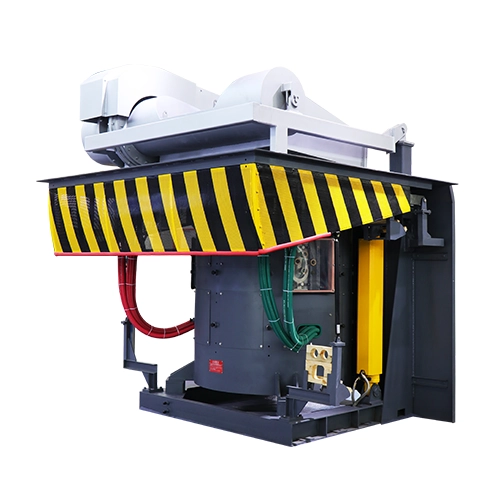
The first selection step is to confirm the metal and batch weight. Steel, cast iron, copper alloys, aluminum alloys, and zinc alloys have different melting behavior, lining requirements, and power demand. A buyer should calculate not only one-batch capacity, but also heats per shift, pouring rhythm, expected metal loss, and future capacity expansion.
A steel melting furnace should be matched with the right medium frequency power supply. Power rating affects melting speed, power factor, energy use, and process stability. SHENNAI steel shell furnace information commonly references 40 to 60 minutes melting time, depending on furnace capacity, power configuration, metal type, charge density, and operating practice. The cooling system should also be checked carefully, because induction coil temperature, water pressure, and water quality have a direct impact on service life.
For procurement teams, an induction furnace manufacturer should be evaluated by more than catalog capacity. Factory experience, furnace body machining, power cabinet matching, PLC control, leakage protection, cooling tower compatibility, spare parts support, and after-sales service all affect daily production. SHENNAI provides induction melting furnace systems, medium frequency power supply equipment, furnace bodies, and cooling solutions, which helps buyers build a more complete melting line instead of sourcing separated equipment from unrelated suppliers.
A steel shell induction furnace is a practical choice for foundries, casting plants, metallurgy workshops, and recycling operations that need stable medium or large-capacity melting. Its value comes from a strong furnace body, safer hydraulic tilting, magnetic yoke protection, lower magnetic leakage, PLC control, leakage alarm, and continuous operation capability. For buyers comparing furnace options, the right decision should be based on metal type, batch size, melting time, power supply, cooling system, factory layout, and long-term operating cost. SHENNAI steel shell induction melting furnace solutions are built for these production decisions, especially where reliability and output matter as much as price.
Q1: What is a steel shell induction furnace used for?
A1: A steel shell induction furnace is used for melting steel, cast iron, copper alloys, aluminum alloys, zinc alloys, and scrap metal in foundries, casting workshops, metal processing plants, machinery manufacturing facilities, and recycling production lines.
Q2: How does a steel shell induction furnace melt metal?
A2: A steel shell induction furnace melts metal through electromagnetic induction. The medium frequency power supply drives the copper induction coil, the coil creates a changing magnetic field, and eddy currents inside the metal charge generate heat until the material becomes molten metal.
Q3: Is a steel shell induction furnace better than an aluminum shell furnace?
A3: A steel shell induction furnace is usually better for medium and large-capacity foundry melting because it provides stronger structural support, safer tilting, lower magnetic leakage, and longer service life. An aluminum shell furnace is more suitable for smaller, lighter, or more budget-sensitive melting projects.
Q4: How long does a steel shell induction furnace take to melt one batch?
A4: A steel shell induction furnace often works within a 40 to 60 minute melting cycle under suitable configuration, but the actual time depends on furnace capacity, power rating, metal type, charge density, lining condition, cooling performance, and operator practice.
Q5: How do I choose the right steel shell induction furnace capacity?
A5: The right steel shell induction furnace capacity depends on batch weight, daily output, number of heats per shift, metal type, pouring schedule, power supply condition, cooling system, and workshop layout. Before requesting a quotation, buyers should prepare material type, target output, furnace tonnage, available voltage, and preferred tilting method.
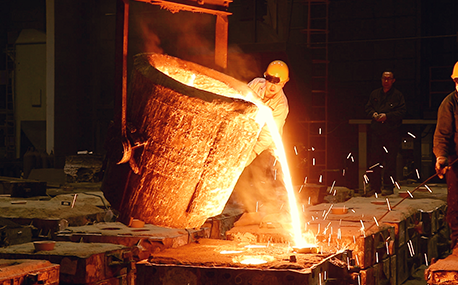
In the forging workshop, industrial furnaces smelt metals, including cupola, induction furnace, resistance furnace, electric arc furnace, vacuum furnace, open hearth furnace, crucible furnace, etc; There are sand mold drying furnace for baking sand mold, ferroalloy drying furnace and casting annealing furnace, etc; In the forging workshop, there are various heating furnaces for heating ingots or billets before forging and heat treatment furnaces for relieving stress after forging;
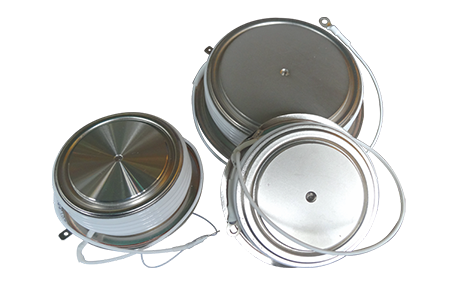
The most effective way for the failure of the medium frequency furnace is to use the low current experiment to judge whether it is the fault of the rectifier circuit or the fault of the inverter part. In the low current experiment, when the DC voltage is less than 513v, it indicates that there is a phase loss fault in the DC rectifier part. Check the specific thyristor fault, and the pulse breaking method should be used to judge whether it is the thyristor fault or there is no trigger pulse.
The most effective method for the failure of the intermediate frequency furnace is to use a small current experiment to judge whether the rectifier circuit is faulty or part of the inverter fault. When the DC current is less than 513 volts

Please send us your request and we will reply to you within 24 hours.
We will get in touch with you as soon as possible
