- Tel:+8616638907067
- Email:[email protected]
In real foundry projects, the comparison of a steel shell vs aluminum shell induction melting furnace usually starts long before the purchase order is issued. Buyers first look at the furnace price, but experienced plant teams quickly move to harder questions: how often the furnace will run, how heavy each charge will be, how stable the tilting excerpt …
In real foundry projects, the comparison of a steel shell vs aluminum shell induction melting furnace usually starts long before the purchase order is issued. Buyers first look at the furnace price, but experienced plant teams quickly move to harder questions: how often the furnace will run, how heavy each charge will be, how stable the tilting operation must be, and how much downtime the workshop can afford.
Both furnace types can be used for cast iron, steel, aluminum, copper, brass, zinc alloy, and other common metals. The difference is not simply material appearance or equipment grade. It is a matter of structure, duty level, operating habits, safety margin, and long-term production cost. A furnace that fits a small repair workshop may not survive well in a high-output casting line. A heavy-duty furnace, meanwhile, may be unnecessary for a plant with moderate batches and limited floor space.
SHENNAI supplies steel shell induction furnaces and aluminum shell induction furnaces for foundries, metal recycling plants, metallurgy projects, machinery workshops, automotive component production, and laboratory melting applications. For purchasing teams, the right decision should come from actual production conditions rather than a general preference for one furnace body.

A steel shell induction furnace is built around a rigid steel frame. In daily foundry operation, that structure matters. Charging, melting, slag removal, tilting, and pouring all create mechanical stress. When the furnace works heat after heat, especially in cast iron melting or steel casting production, a stronger furnace body gives the operator more confidence.
This type of steel shell melting furnace is commonly selected for medium and large foundries. It is also suitable for copper alloy melting, heavy-duty metal melting, and recycling projects where the furnace must carry heavier loads or run for long shifts. The advantage is not only strength. It is also stability during repeated operation.
SHENNAI’s steel shell furnace design includes a cyclone dust cover, an anti-drop system, and an integrated induction coil structure. The cyclone dust cover helps collect smoke and dust around the furnace mouth while reducing unnecessary heat loss. The anti-drop system supports safer tilting operation. The integrated coil structure helps keep heating performance steady during repeated melting cycles. In a busy workshop, these details directly affect safety, heat efficiency, maintenance frequency, and operator comfort.

An aluminum shell induction furnace is usually selected for compact workshops, small and medium foundries, non-ferrous metal melting, and cost-sensitive recycling projects. It is lighter than a steel shell furnace, easier to place in limited workshop layouts, and often simpler for operators to manage.
This type of aluminum shell melting furnace is known for high melting efficiency, good power-saving performance, compact structure, strong overload capacity, simple operation, low smoke and dust, and convenient furnace replacement. For many small plants, those features are practical rather than decorative. Less complicated operation can reduce training pressure, especially when the same team handles charging, melting, pouring, and routine maintenance.
An aluminum shell furnace can be used for aluminum, copper, brass, cast iron, zinc alloy, and mixed metal melting when the lining, power supply, and cooling system are properly matched. It is often a sensible option when production batches are moderate and the buyer needs an induction furnace for metal melting without the cost and size of a heavier structure.
The steel shell induction furnace has a stronger body structure. It is made for tougher working conditions, heavier charges, and repeated tilting. This makes it more suitable for plants that run long shifts or expect the furnace to remain stable under frequent production pressure.
The aluminum shell induction furnace has a more compact body and lower structural weight. It should not be treated as a weaker version of the same equipment. It serves a different purchasing case. For a small foundry, repair shop, or flexible metal recycling workshop, a compact induction melting furnace may deliver enough performance with a lower initial investment.
Production load is often the deciding factor. A steel shell furnace is usually better for larger capacity melting, continuous production, and high-output foundry work. When a furnace runs every day and handles heavy batches, body strength becomes part of the cost calculation.
An aluminum shell furnace is a better match for smaller or medium batches. It also fits workshops that melt different materials on a flexible schedule. In those cases, easier handling, lower purchase cost, and compact layout may bring more value than maximum structural strength.
Molten metal production leaves little room for equipment mismatch. Steel shell furnaces can be fitted with safety-oriented structures such as anti-drop protection and dust cover systems. These are important in workshops where tilting safety, smoke collection, and heat exposure are everyday concerns.
Aluminum shell furnaces are valued for straightforward operation. In smaller facilities, fewer workers may be responsible for several steps of the melting process. A simpler furnace structure can make daily handling easier and reduce avoidable operating mistakes.
An aluminum shell induction furnace is often chosen when the project needs a cost-effective induction furnace. The initial investment is usually easier to control, and the structure is suitable for many standard foundry melting and recycling jobs.
A steel shell induction furnace usually requires a higher budget at the beginning. For heavy-duty production, however, the long-term return may be stronger. A more stable body, better safety support, and longer service expectations can reduce unplanned downtime and lower the actual cost per ton of molten metal.
A steel shell induction furnace is generally a better fit for cast iron melting, steel casting production, copper alloy melting, and heavy-duty foundry melting. It suits plants that need higher output, stronger structure, safer tilting operation, and long service life.
An aluminum shell induction furnace is often more suitable for small foundries, aluminum recycling workshops, copper scrap melting, brass melting, and flexible metal processing. It is also practical when the workshop has limited space or when the project requires a foundry melting furnace with controlled investment.
For aluminum scrap recycling, copper alloy melting, or mixed metal recovery, the furnace body should not be judged alone. Power supply, furnace lining, cooling water system, dust control, pouring method, spare parts, and operator skill all influence final performance.
Good induction furnace selection starts with production data. The buyer should confirm the target metal, batch capacity, hourly output, daily production target, local voltage, and available workshop space. Steel, cast iron, aluminum, copper, brass, and zinc alloy each have different requirements for temperature control, lining material, power matching, and melting practice.
The operating pattern is just as important. If the furnace will run for long shifts with heavy batches, a steel shell induction furnace is usually the safer direction. If the plant works with moderate batches, limited floor space, or flexible production schedules, an aluminum shell induction furnace may be more practical.
Supporting equipment should be planned at the same time. Medium frequency power supply, IGBT power supply, cooling tower, capacitor cabinet, hydraulic tilting system, dust collection, pouring ladle, feeding equipment, and spare parts all affect how well the furnace performs after installation. A good furnace body cannot compensate for an undersized cooling system or a poorly matched power supply.
A foundry should choose a steel shell furnace when production is heavy, melting frequency is high, and equipment stability is a priority. It is also suitable for plants that melt cast iron, steel, copper alloys, or other metals in larger batches.
This furnace type is better for buyers who care about structural strength, tilting safety, dust collection, and long-term reliability. For a plant planning steady output over many years, a steel shell induction furnace is usually the more dependable investment.
An aluminum shell furnace is suitable when the project needs compact equipment, simpler operation, and controlled cost. It is commonly used in small foundries, repair shops, metal recycling workshops, and non-ferrous metal melting plants.
This furnace type works well when the production load is moderate and the buyer does not need a heavy-duty furnace body. It can also serve as an entry-level melting furnace or an additional furnace for plants that need more flexibility.
There is no fixed winner in the steel shell vs aluminum shell furnace decision. A steel shell induction furnace is better for heavy-duty melting, larger capacity, long working hours, and safety-focused production. An aluminum shell induction furnace is better for compact workshops, moderate output, flexible melting, and cost-sensitive projects.
A reliable decision should be based on metal type, batch capacity, working hours, power supply, cooling system, workshop layout, safety requirements, and available budget. SHENNAI supports foundry and recycling buyers with steel shell furnaces, aluminum shell furnaces, medium frequency power supplies, cooling systems, auxiliary equipment, and complete melting line planning. A detailed inquiry with real production data will always lead to a more accurate furnace recommendation.
Q1: How do I know if my foundry needs a steel shell induction furnace?
A1: A foundry usually needs a steel shell induction furnace when the furnace runs for long shifts, handles larger batches, or works under heavy-duty production conditions. It is especially suitable for cast iron melting, steel casting, copper alloy melting, and projects where tilting safety, dust collection, and long service life are important.
Q2: Is an aluminum shell induction furnace suitable for a small foundry?
A2: Yes. An aluminum shell induction furnace is often suitable for a small foundry because it has a compact structure, simple operation, and controlled investment. It works well for moderate batch melting, non-ferrous metal melting, repair workshops, and flexible production schedules.
Q3: What is the main difference between steel shell and aluminum shell induction melting furnace?
A3: The main difference is furnace body structure and suitable production load. A steel shell furnace has a stronger frame and is better for heavy-duty or continuous foundry melting. An aluminum shell furnace is lighter, more compact, and more cost-effective for small and medium melting projects.
Q4: Can both steel shell and aluminum shell furnaces melt aluminum, copper, and cast iron?
A4: Both furnace types can melt aluminum, copper, cast iron, steel, brass, zinc alloy, and other metals when the system is properly configured. Furnace lining, power supply, cooling system, and operating process should match the target material before production.
Q5: What information should be provided before buying an induction melting furnace?
A5: A buyer should provide metal type, batch capacity, hourly output, daily production target, local voltage, workshop layout, preferred furnace structure, and required supporting equipment. Cooling tower, dust collection, pouring ladle, feeding equipment, spare parts, and casting equipment should also be mentioned when needed.
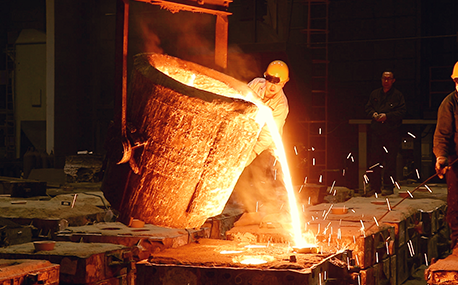
In the forging workshop, industrial furnaces smelt metals, including cupola, induction furnace, resistance furnace, electric arc furnace, vacuum furnace, open hearth furnace, crucible furnace, etc; There are sand mold drying furnace for baking sand mold, ferroalloy drying furnace and casting annealing furnace, etc; In the forging workshop, there are various heating furnaces for heating ingots or billets before forging and heat treatment furnaces for relieving stress after forging;
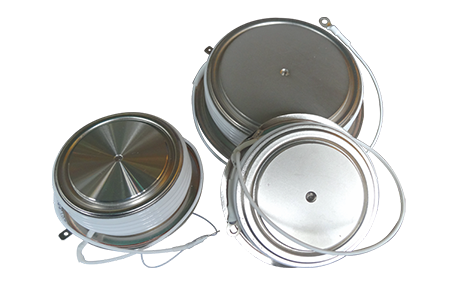
The most effective way for the failure of the medium frequency furnace is to use the low current experiment to judge whether it is the fault of the rectifier circuit or the fault of the inverter part. In the low current experiment, when the DC voltage is less than 513v, it indicates that there is a phase loss fault in the DC rectifier part. Check the specific thyristor fault, and the pulse breaking method should be used to judge whether it is the thyristor fault or there is no trigger pulse.
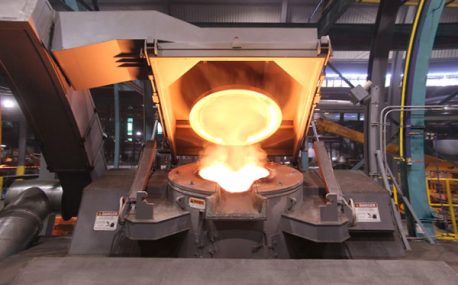
The most effective method for the failure of the intermediate frequency furnace is to use a small current experiment to judge whether the rectifier circuit is faulty or part of the inverter fault. When the DC current is less than 513 volts

Please send us your request and we will reply to you within 24 hours.
We will get in touch with you as soon as possible
