- Tel:+8616638907067
- Email:[email protected]
For foundries, metal recycling plants, and metal processing workshops, an induction melting furnace solution is not just a furnace body. It is a full equipment system that affects melting speed, power consumption, metal quality, workshop safety, maintenance workload, and long-term production cost. Buyers looking for an industrial metal melting furnace usually need more than a price. excerpt …
For foundries, metal recycling plants, and metal processing workshops, an induction melting furnace solution is not just a furnace body. It is a full equipment system that affects melting speed, power consumption, metal quality, workshop safety, maintenance workload, and long-term production cost. Buyers looking for an industrial metal melting furnace usually need more than a price. They need a practical configuration that fits the metal type, batch capacity, local power conditions, cooling requirements, and downstream casting or rolling process.
SHENNAI focuses on industrial induction melting and medium frequency power equipment for plants that melt steel, cast iron, aluminum, copper, brass, stainless steel, zinc alloy, and mixed metal scrap. With a product range covering steel shell furnaces, aluminum shell furnaces, IGBT induction melting furnaces, medium frequency power supplies, closed cooling towers, auxiliary equipment, ingot casting machines, and rolling mill solutions, SHENNAI supports both single-machine projects and complete production line planning.
An induction melting furnace uses electromagnetic induction to heat and melt metal. Compared with fuel-fired melting methods, induction melting gives cleaner workshop conditions, faster heating response, easier temperature control, and better suitability for modern foundry production. For a purchasing manager, however, the furnace itself is only one part of the project.
A complete induction melting furnace system normally includes the furnace body, power supply cabinet, capacitor cabinet, hydraulic tilting mechanism, cooling system, furnace lining material, feeding equipment, dust collection arrangement, and optional casting or rolling equipment. In a metal recycling plant, the system may also connect with an aluminum ingot casting machine or copper ingot casting machine. In a steel bar project, it may work with continuous casting and hot rolling mill equipment.
This is why the word “solution” matters. A well-matched system helps reduce power waste, furnace downtime, overheating problems, coil damage, cooling failure, and unstable melting output.
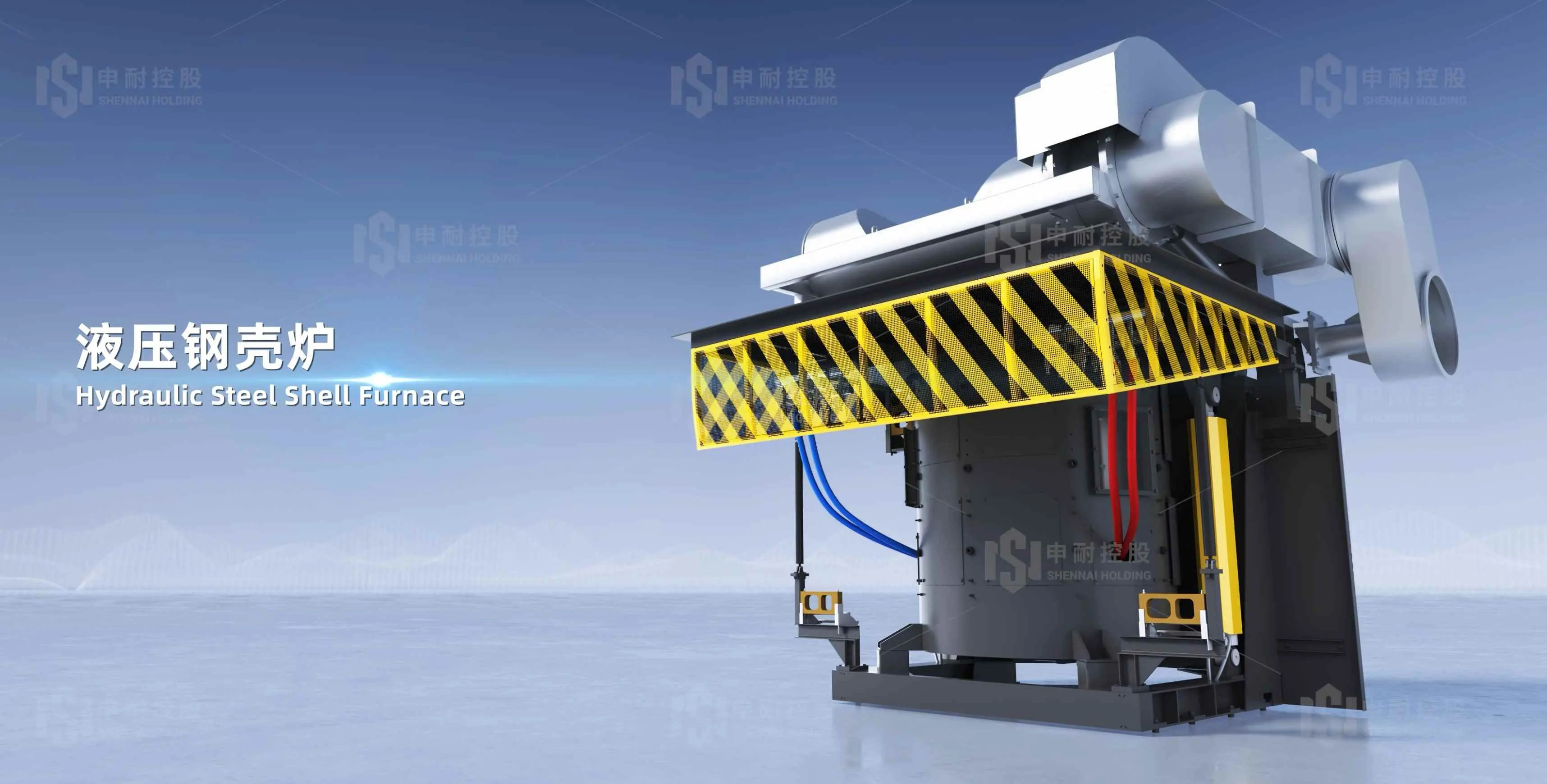
A steel shell induction furnace is commonly selected for heavy-duty foundry operations, larger capacity melting, and production environments where structural strength and operating safety matter. It is suitable for steel, cast iron, copper alloys, aluminum alloys, and other metals used in foundry, metallurgy, metal processing, machinery manufacturing, automotive components, aerospace-related parts, recycling, and laboratory applications.
SHENNAI’s steel shell furnace information highlights several practical design points. The cyclone dust cover helps collect smoke and dust while keeping more heat near the furnace mouth. The anti-drop safety system is designed for safer tilting operation. The induction coil structure uses an integrated design to support furnace stability during repeated heating and melting cycles. For plants running long shifts, these details are not decorative. They affect safety, energy use, and maintenance frequency.
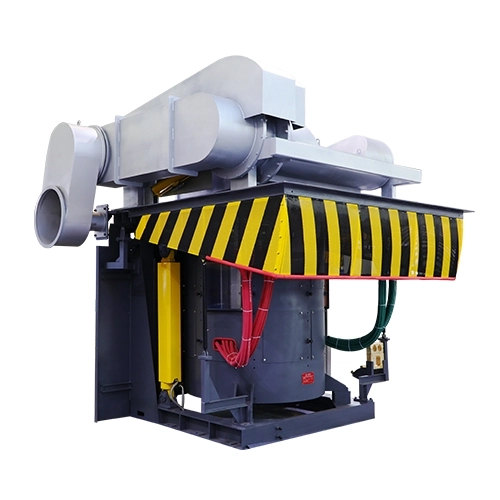
An aluminum shell induction furnace is often considered by small and medium foundries, metal workshops, and cost-sensitive recycling projects. It is known for a compact structure, simple operation, high melting efficiency, good power-saving performance, strong overload capacity, low smoke and dust, and high production efficiency.
For a workshop with limited floor space or a buyer planning a flexible melting line, an aluminum shell melting furnace can be a practical choice. It can be used for melting steel, cast iron, aluminum, copper, copper alloys, aluminum alloys, zinc alloys, and other metals. It is especially useful when the project needs a balance between equipment cost, melting performance, and daily operating convenience.
The power supply is the heart of an induction furnace. It affects melting time, energy consumption, power stability, and the service life of key electrical components. SHENNAI’s product range includes medium frequency power supply systems and IGBT induction melting equipment for metal materials such as steel, stainless steel, copper, aluminum, gold, and silver.
For buyers comparing SCR and IGBT power supply options, the key questions are usually straightforward. How stable is the output? How much power is consumed per ton of molten metal? How easy is maintenance when a module fails? Can the power system support future capacity expansion? A suitable power cabinet can make a visible difference in production cost, especially in plants where the furnace runs daily.
Cooling is often underestimated in furnace procurement. A closed cooling tower helps maintain stable water temperature for the power supply and furnace system. Poor cooling can lead to alarms, shutdowns, coil overheating, and electrical component damage. For continuous production, a cooling system should be selected together with the furnace capacity and local climate conditions.
Auxiliary equipment also matters. Feeding cars, pouring ladles, furnace lining materials, spare parts, capacitor cabinets, and dust control arrangements all influence how smoothly the workshop runs. For recycling projects, ingot casting equipment may be needed after melting. For steel bar production, continuous casting and rolling mill equipment may be part of the complete line.
Induction melting furnace solutions are widely used in foundries that produce cast iron parts, steel castings, aluminum components, copper alloy parts, machinery parts, and automotive-related castings. They are also used in metal recycling plants that process aluminum scrap, copper scrap, brass scrap, steel scrap, stainless steel scrap, and mixed non-ferrous materials.
A typical aluminum recycling plant may need an aluminum shell or steel shell melting furnace, a medium frequency power supply, a closed cooling tower, a feeding system, and an aluminum ingot casting machine. A cast iron foundry may focus more on furnace capacity, lining life, tilting safety, and dust collection. A copper or brass melting project may pay more attention to temperature control, metal loss, and stable furnace operation.
The right configuration depends on the material and production plan, not just the furnace name.
A buyer should first confirm the metal type. Steel, cast iron, aluminum, copper, brass, and mixed scrap have different melting behavior and production requirements. The second factor is capacity. A 250 kg furnace and a 10 ton furnace serve very different workshops, even if both are induction melting furnaces.
The third factor is furnace structure. Steel shell furnaces are better suited to heavy-duty production and larger projects, while aluminum shell furnaces are often preferred for compact, cost-effective melting lines. The fourth factor is the power supply. Medium frequency, SCR, IGBT, and full-bridge IGBT systems should be compared based on energy use, stability, maintenance, and budget.
The fifth factor is the complete line requirement. Some buyers only need a furnace and power cabinet. Others need cooling towers, dust collection, refractory materials, ingot casting machines, rolling mills, spare parts, and overseas technical support. A clear inquiry should include metal type, batch capacity, hourly output, daily production target, local voltage, workshop layout, and final product form.
For industrial buyers, separate equipment purchasing can create hidden problems. A furnace may have the right capacity, but the cooling tower may be undersized. A power cabinet may work, but the workshop voltage may require adjustment. A melting furnace may produce enough molten metal, but the casting equipment may not match the output speed.
SHENNAI’s value lies in connecting furnace structure, power supply, cooling, auxiliary equipment, casting equipment, and rolling mill options into a workable production solution. The company has a 50000+ square meter plant, 300+ employees, a 20+ member R&D technical team, and export experience across 40+ countries. Its product system allows foundry and recycling buyers to discuss not only one machine, but the whole melting process from raw material to finished ingot, casting, or rolled steel product.
An induction melting furnace solution should be selected around production reality: metal type, capacity, energy use, workshop conditions, maintenance plan, and downstream processing. For foundries and metal recycling plants, the best furnace is not always the largest or the lowest-priced machine. It is the system that melts efficiently, runs safely, fits the plant layout, and supports stable output over years of operation.
SHENNAI provides a broad equipment base for this kind of project planning, including steel shell furnaces, aluminum shell furnaces, IGBT induction melting furnaces, medium frequency power supplies, cooling systems, casting machines, rolling mill equipment, refractory materials, and spare parts. For buyers preparing a new project or upgrading an existing line, a detailed technical inquiry is the right starting point.
Q1: How do I choose an induction melting furnace for a foundry?
A1: Start with the metal type, batch weight, hourly output, local voltage, and production schedule. A steel shell induction furnace is usually better for heavy-duty foundry production, while an aluminum shell induction furnace can fit smaller or more cost-sensitive workshops. The power supply, cooling tower, and dust collection setup should be selected at the same time as the furnace body.
Q2: What is the difference between a steel shell furnace and an aluminum shell furnace?
A2: A steel shell furnace is generally selected for stronger structure, larger capacity, and more demanding production environments. An aluminum shell furnace is compact, easier to operate, and often suitable for small and medium foundries. The right choice depends on production load, budget, workshop space, safety requirements, and expected service life.
Q3: What equipment is needed for a metal recycling furnace line?
A3: A metal recycling furnace line may include an induction melting furnace, medium frequency power supply, cooling tower, feeding equipment, dust collection system, furnace lining materials, pouring ladle, and ingot casting machine. Aluminum and copper recycling projects often need casting equipment after melting to produce standard ingots.
Q4: Can one induction melting furnace melt different metals?
A4: Many induction melting furnaces can be used for steel, cast iron, copper alloys, aluminum alloys, zinc alloys, and other metals, but the furnace lining, temperature setting, crucible condition, and production process must match the material. Buyers should confirm the target metal and avoid using the same setup for incompatible materials without technical review.
Q5: What information should be sent when requesting an induction melting furnace quote?
A5: A useful quote request should include the metal to be melted, required capacity per batch, daily output, local voltage and frequency, workshop layout, preferred furnace structure, and whether cooling tower, dust collection, ingot casting machine, rolling mill, refractory materials, or spare parts are needed. This helps the supplier recommend a practical configuration instead of a generic price.
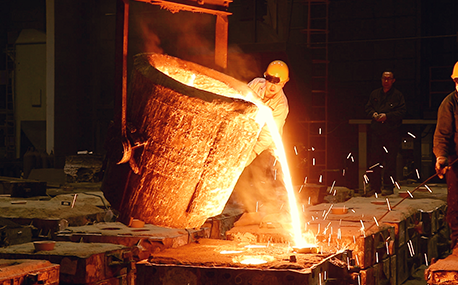
In the forging workshop, industrial furnaces smelt metals, including cupola, induction furnace, resistance furnace, electric arc furnace, vacuum furnace, open hearth furnace, crucible furnace, etc; There are sand mold drying furnace for baking sand mold, ferroalloy drying furnace and casting annealing furnace, etc; In the forging workshop, there are various heating furnaces for heating ingots or billets before forging and heat treatment furnaces for relieving stress after forging;
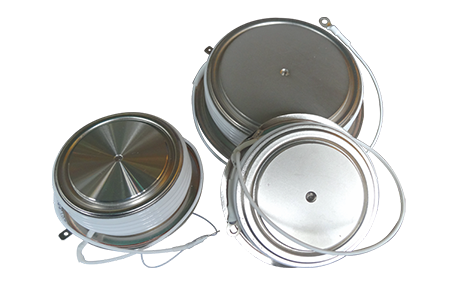
The most effective way for the failure of the medium frequency furnace is to use the low current experiment to judge whether it is the fault of the rectifier circuit or the fault of the inverter part. In the low current experiment, when the DC voltage is less than 513v, it indicates that there is a phase loss fault in the DC rectifier part. Check the specific thyristor fault, and the pulse breaking method should be used to judge whether it is the thyristor fault or there is no trigger pulse.
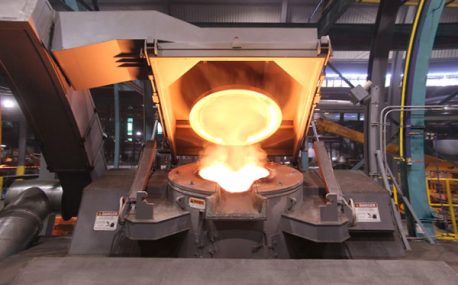
The most effective method for the failure of the intermediate frequency furnace is to use a small current experiment to judge whether the rectifier circuit is faulty or part of the inverter fault. When the DC current is less than 513 volts

Please send us your request and we will reply to you within 24 hours.
We will get in touch with you as soon as possible
