- Tel:+8616638907067
- Email:[email protected]
A usable induction furnace quotation starts with process data, not a request for price alone. The manufacturer needs to know what will be melted, the required output, available utilities, operating sequence, and installation conditions. Otherwise, the supplier must assume furnace capacity, power rating, cooling duty, controls, and scope boundaries. The checklist gives purchasing teams and excerpt …
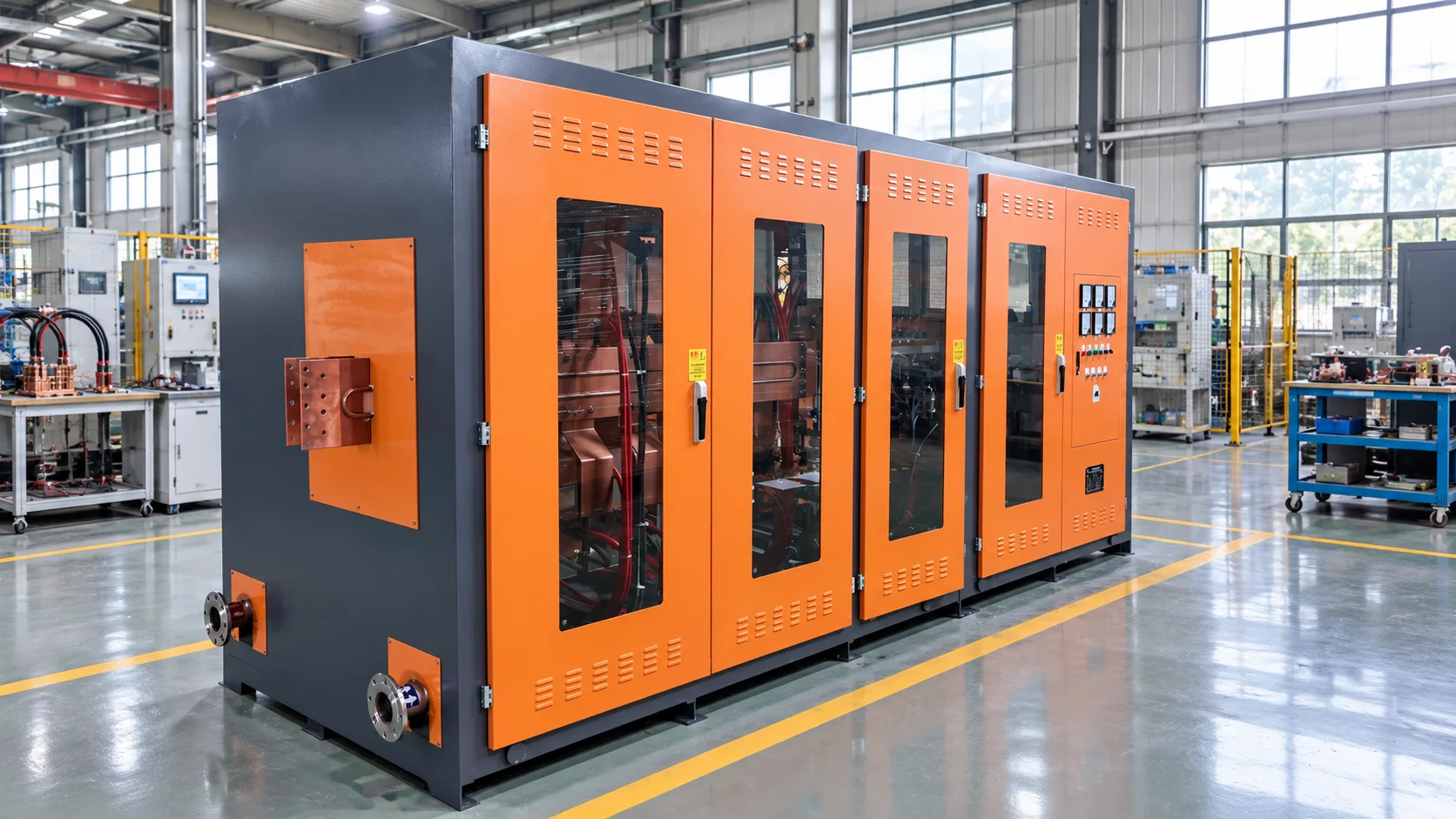
A usable induction furnace quotation starts with process data, not a request for price alone. The manufacturer needs to know what will be melted, the required output, available utilities, operating sequence, and installation conditions. Otherwise, the supplier must assume furnace capacity, power rating, cooling duty, controls, and scope boundaries.
The checklist gives purchasing teams and foundry engineers the 12 data points that should accompany an industrial induction furnace RFQ. Exact equipment selections remain application-specific and should be confirmed in the supplier's technical proposal.
Two furnaces with the same nominal capacity may need different power supplies, cooling arrangements, transformer capacity, tilting systems, and controls because they process different metals or follow different production schedules. A general RFQ Checklist from the Forging Industry Association makes the same point: a quote improves when the buyer defines function, size, operating conditions, and documentation. For an induction furnace, those requirements become electrical, thermal, mechanical, and site data.
Complete inputs also make quotations comparable. If suppliers assume different melt rates or utility packages, the lowest number may represent the smallest scope. Require every bidder to list deviations and assumptions against the same RFQ data sheet.
List every metal and representative alloy grade, separating normal production from occasional campaigns. Also identify whether the unit is for melting, holding, superheating, or combined duty. The supplier can then evaluate the furnace body, lining approach, coil, and power-supply match. A brief review of how to melt metal in an induction furnace can help the project team describe the intended process consistently.
Describe the charge as returns, clean scrap, chips, bundles, ingots, briquettes, or another form. Provide typical and maximum piece dimensions, bulk density where known, and the expected proportion of each charge component. State whether the material arrives dry, oily, rusty, painted, or otherwise contaminated. Charge geometry affects loading practice, coupling, melt time, furnace opening, and material-handling requirements, while contamination may change fume-control and operating considerations.
Specify nominal furnace capacity and normal working batch weight; they are not always identical. State the minimum and maximum batch, expected heel percentage, and whether cold starts are common. This information helps the manufacturer check usable volume, freeboard, lining allowance, coil loading, and whether one furnace size can cover the operating range.
Give the required output per hour, melts per shift, shifts per day, and operating days per year. Include target cycle time and any holding time before pouring. The supplier must distinguish peak from average output and understand planned downtime. These figures also provide context for evaluating induction melting furnace benefits in steel production against the actual production objective.
State the initial charge temperature, target liquid-metal temperature, tapping temperature, permissible temperature range, and any required holding period. Identify whether the system must support alloying, sampling, slag removal, or temperature correction before pouring. If different alloys use different targets, provide a small process matrix. Do not ask the manufacturer to infer temperature solely from the metal name; the intended casting or treatment process determines the operating target and the required control margin.
Provide the site voltage, frequency, number of phases, grounding arrangement, and allowable voltage variation. Note whether the project will use an existing feeder or a new substation, and identify any site limits on connected load. These details allow the manufacturer to select the incoming section, protection, rectification arrangement, and auxiliary power correctly. They also prevent a quotation from being based on a voltage or phase configuration that is unavailable at the plant.
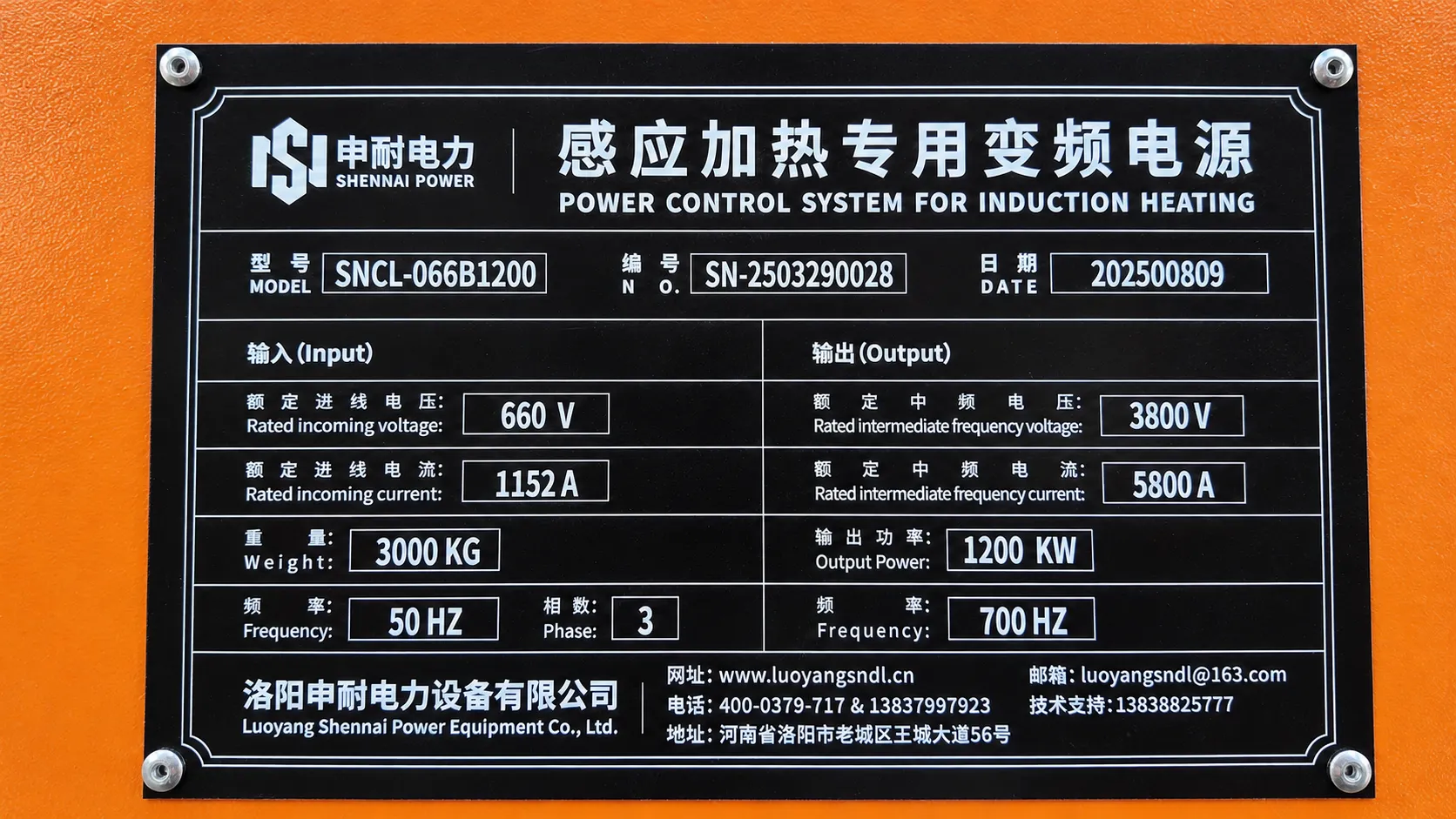
State the available transformer rating, impedance data if known, existing connected loads, and the spare capacity reserved for the furnace project. Tell the supplier about utility limits, power-factor targets, harmonic requirements, or weak-grid conditions that may affect design. If the transformer is included in the requested scope, specify the primary voltage and installation environment. A manufacturer should verify the complete electrical interface rather than size the furnace power supply in isolation.
Define how many furnace bodies are required, how many must melt simultaneously, and whether one unit may hold while another melts or pours. State whether independent power control is essential. Luoyang Shennai product materials describe series-connected, parallel, and IGBT medium-frequency power options plus multi-furnace arrangements. The architecture should follow the required operating sequence, not a label alone.
Describe the proposed cooling system and provide supply temperature, return-temperature limit, pressure, available flow, water quality, and ambient design conditions. Identify whether a closed cooling tower, heat exchanger, emergency water source, or separate circuits are expected. Include the distance between the cooling equipment, power cabinet, capacitor cabinet, and furnace. Cooling data affects component protection, pipe sizing, pressure loss, alarms, and layout, so it should never be left as a generic supplier assumption.
Specify the preferred shell construction if already decided, the pouring method, tilt direction and angle, hydraulic or geared actuation, charging method, and interface with ladles, charging machines, platforms, or fume hoods. Provide pit requirements and maintenance-access expectations. If the project team has no fixed mechanical concept, submit the production sequence and site constraints instead. That lets the manufacturer propose a layout while keeping exclusions and civil-work responsibilities visible in the quotation.
List required operator stations, PLC or HMI functions, data logging, recipe control, remote monitoring, communications, and interfaces with upstream or downstream equipment. Define essential interlocks for cooling flow, temperature, ground leakage, furnace tilting, doors, and emergency stops according to the plant's risk assessment. Existing coreless induction furnace operating considerations can help the team identify operating conditions that should be reflected in alarms, permissives, procedures, and training.
Provide the installation country, altitude, indoor or outdoor location, ambient range, humidity, dust exposure, access dimensions, and footprint. Define who supplies the transformer, cables, cooling equipment, hydraulics, lining, fume collection, foundations, commissioning, and training. List required drawings, manuals, inspection records, factory acceptance tests, packing, and applicable local codes. Clear boundaries turn a budget estimate into a comparable quotation.
A concise RFQ package should combine the operating data with documents that let suppliers check interfaces. Include:
When Luoyang Shennai reviews this information, the discussion can focus on unresolved choices. Ask the quotation to repeat the design basis, list assumptions, and identify options separately so technical and commercial comparisons remain clear.
Define the process, production target, utilities, operating mode, mechanical interfaces, controls, site conditions, and supply scope before comparing price. These 12 data points let manufacturers size a system without hiding major assumptions. Send the process sheet, utility data, layout, and scope matrix to Luoyang Shennai Power Equipment for a configuration and fit check.
At minimum, provide the metal, normal batch weight, required throughput, target temperature, incoming voltage and frequency, available transformer capacity, cooling-water conditions, and the number of furnaces. Mark unknown items clearly so the supplier can state assumptions rather than silently filling gaps.
Provide an existing power or frequency requirement if the plant has one, but also state the process target that created it. For a new project, give the metal, charge size, melt rate, temperature, and utilities, then ask the manufacturer to propose and justify the power and operating frequency.
Equal batch weights can occupy different volumes and load very differently when supplied as dense ingots, loose scrap, turnings, or bulky returns. Charge dimensions and bulk form affect furnace opening, usable volume, loading equipment, coupling, and the practical melt sequence.
Yes. Issue the same process, utility, site, and scope data to every bidder. Require each supplier to return a compliance schedule that identifies deviations, exclusions, optional equipment, utility consumption, and design assumptions. Compare the defined scope and performance basis before comparing total price.
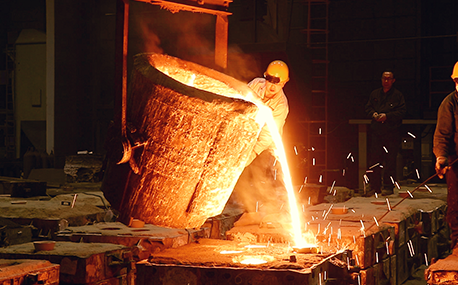
In the forging workshop, industrial furnaces smelt metals, including cupola, induction furnace, resistance furnace, electric arc furnace, vacuum furnace, open hearth furnace, crucible furnace, etc; There are sand mold drying furnace for baking sand mold, ferroalloy drying furnace and casting annealing furnace, etc; In the forging workshop, there are various heating furnaces for heating ingots or billets before forging and heat treatment furnaces for relieving stress after forging;
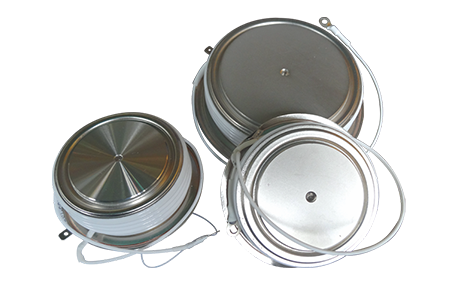
The most effective way for the failure of the medium frequency furnace is to use the low current experiment to judge whether it is the fault of the rectifier circuit or the fault of the inverter part. In the low current experiment, when the DC voltage is less than 513v, it indicates that there is a phase loss fault in the DC rectifier part. Check the specific thyristor fault, and the pulse breaking method should be used to judge whether it is the thyristor fault or there is no trigger pulse.
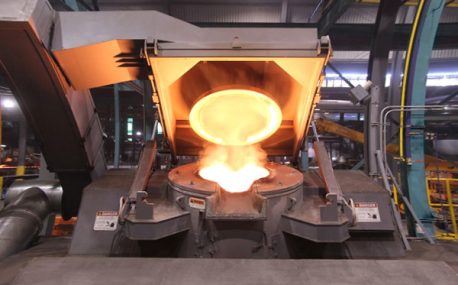
The most effective method for the failure of the intermediate frequency furnace is to use a small current experiment to judge whether the rectifier circuit is faulty or part of the inverter fault. When the DC current is less than 513 volts

Please send us your request and we will reply to you within 24 hours.
We will get in touch with you as soon as possible
