- Tel:+8616638907067
- Email:[email protected]
In foundry production, steel shell induction furnace safety is not a secondary detail after capacity, power, or melting speed. It directly affects pouring stability, worker protection, downtime risk, and the long-term cost of running a melting line. When a hydraulic tilting induction furnace handles molten steel, cast iron, copper alloys, aluminum alloys, or mixed scrap, the excerpt …
In foundry production, steel shell induction furnace safety is not a secondary detail after capacity, power, or melting speed. It directly affects pouring stability, worker protection, downtime risk, and the long-term cost of running a melting line. When a hydraulic tilting induction furnace handles molten steel, cast iron, copper alloys, aluminum alloys, or mixed scrap, the danger does not come only from high temperature. The furnace pit, tilting movement, blind spots, charging impact, molten metal splash, cooling water, and daily maintenance all create real shop-floor risks. Anti-drop protection is designed for that exact environment.
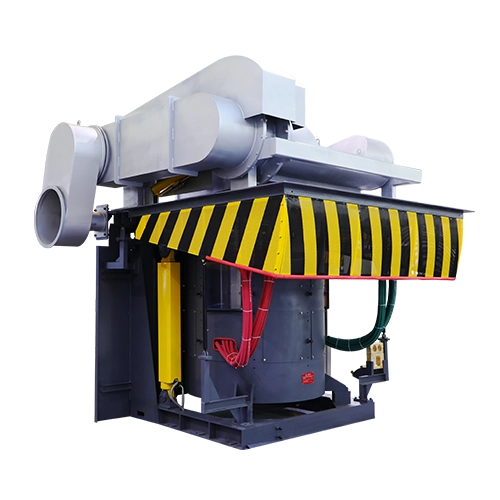
A steel shell furnace works in one of the most demanding areas of a metal casting plant. Operators may stand near the furnace mouth during charging, slag removal, temperature checking, and pouring. At the same time, the furnace body moves under hydraulic force, the molten bath remains exposed, and the surrounding pit area can become a hidden hazard when attention is focused on the metal stream.
For B2B buyers, induction melting furnace safety should be treated as part of production planning, not only as a compliance topic. A furnace that melts quickly but creates unsafe movement around the pit can cause delays, operator hesitation, and higher training pressure. In heavy-duty foundry work, a safer furnace layout often supports smoother production because workers can follow a clear operating path during every heat.
Steel shell furnace safety features are especially important for medium and large-capacity furnaces. Larger molten metal volumes increase the consequence of a poor pouring sequence. This is one reason steel shell designs are often preferred for stronger furnace body support, safer tilting structure, and better protection around the coil, lining, and frame.
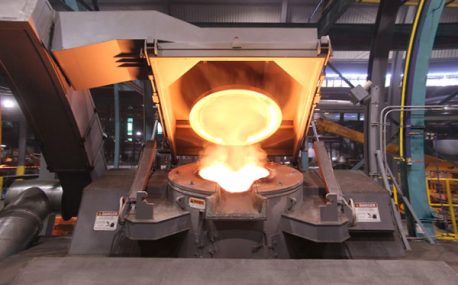
Anti-drop protection in a steel shell induction furnace is a mechanical safety structure used to reduce the risk of operators falling into the furnace pit during tilting and pouring. In SHENNAI’s steel shell furnace design, after the furnace body is turned over, the guardrail automatically rises to help prevent furnace workers from accidentally falling into the furnace pit and to support safer operation.
This type of automatic guardrail furnace design is different from a simple fixed barrier. A fixed guardrail may mark a danger zone, but the risk changes as the furnace tilts forward. Anti-drop protection responds to that working movement. It creates a visible and physical boundary at the moment when the operator is most likely to focus on the pouring stream, ladle position, slag condition, or surrounding crane movement.
For pit type induction furnace safety, this detail has clear value. A furnace pit may be necessary for layout, pouring height, and maintenance access, but it also creates an edge that must be controlled. When the furnace tilts, the automatic guardrail helps reduce the chance of a backward step, side movement, or misjudged distance becoming a serious accident.
During hydraulic tilting, the furnace changes position while the operator’s attention is divided between the furnace mouth, molten metal flow, ladle alignment, and nearby workers. A steel shell furnace with automatic guardrail gives the working area a stronger safety boundary. The guardrail rises after the furnace body turns over, helping separate personnel from the pit edge during a high-risk stage of the melt cycle.
This is particularly useful in high-temperature pouring, where visibility may be affected by heat, dust, steam, protective masks, and shop-floor lighting. The guardrail does not replace safety procedures, but it reduces dependence on warning signs or verbal reminders alone.
Anti-drop protection also improves workflow discipline. In a busy foundry workshop, workers may move between charging equipment, ladles, tools, control panels, and cooling water lines. A clear mechanical boundary keeps the pit area more predictable during pouring and can make training easier for new operators.
For maintenance teams, this kind of protection also matters during inspection and lining work. The same furnace area used for production often becomes a service space after shutdown. A safer pit boundary helps reduce risk during cleaning, refractory checks, coil inspection, and routine repair preparation.
A hydraulic tilting induction furnace should move smoothly under load. Sudden movement, unstable speed, or poor alignment can affect pouring accuracy and operator confidence. SHENNAI steel shell furnace designs can use hydraulic tilting structures for heavy-duty melting applications, which is more suitable for foundry operations that need stable pouring and repeated furnace movement.
The anti-drop guardrail should match the furnace layout and pit position. Buyers should confirm whether the guardrail rises automatically after tilting, whether it protects the key pit edge, and whether it leaves enough space for pouring, slagging, charging, and maintenance. A safety feature that interferes with daily work may be bypassed by operators, so practical design is important.
For modern induction melting furnace safety, monitoring systems are no longer optional details. SHENNAI’s open-type steel shell melting furnace can include self-checking functions, real-time monitoring, leakage alarm, and PLC control. These functions help operators notice abnormal conditions earlier, especially in workshops running long shifts or 24-hour continuous operation.
The cooling system is closely tied to furnace safety because the induction coil, power supply, and water circuit work together under heat and electrical load. SHENNAI product information describes carbon-free hoses, 304 stainless steel water distributors, and 304 stainless steel clamps in the water circuit. For buyers comparing steel shell furnace safety features, water pressure, water temperature, hose quality, and cooling tower matching should all be checked before ordering.
A basic furnace guardrail mainly works as a fixed barrier. It can remind workers not to cross a danger zone, but it does not always match the changing risk during furnace tilting. Anti-drop protection is more closely connected to the movement of the steel shell induction melting furnace itself.
For small melting workshops with low-frequency pouring, a fixed guardrail may be acceptable if the pit layout is simple and the risk area is well controlled. For medium and large foundries, continuous melting lines, pit-type installation, and hydraulic tilting steel shell furnace projects, anti-drop protection is a stronger choice. It follows the real production rhythm instead of depending only on static workshop protection.
A foundry should consider anti-drop protection when the furnace uses hydraulic tilting, the equipment is installed near a pit area, the molten metal volume is high, or several workers must coordinate during pouring. It is also suitable for plants planning safety upgrades, new induction furnace projects, or steel shell furnace replacement.
For procurement teams, the decision should be made together with furnace capacity, melting time, power supply, cooling system, control cabinet, and workshop layout. SHENNAI provides induction melting furnace systems, medium frequency power supply equipment, cooling solutions, and related furnace components for foundry, metallurgy, metal processing, machinery manufacturing, recycling, and laboratory applications. With 50,000 square meters of facility space, about 300 employees, patent achievements, system certifications, and export experience across multiple markets, SHENNAI supports buyers that need practical melting equipment for real production conditions.
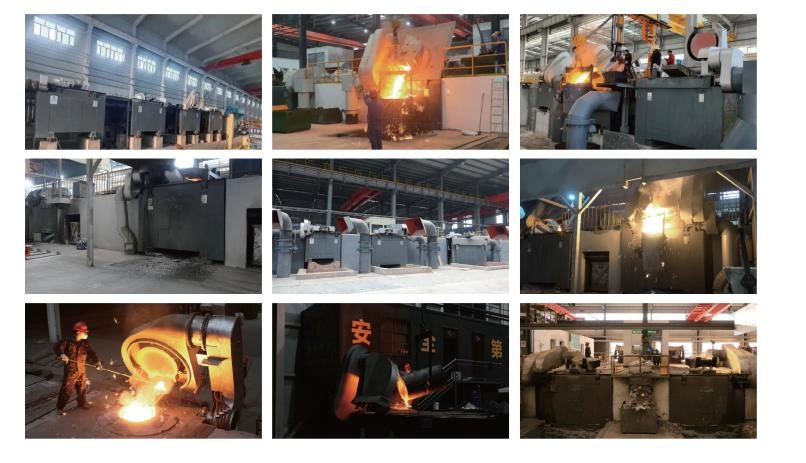
Steel shell induction furnace safety depends on more than one part. A safer melting system comes from a strong furnace body, stable hydraulic tilting, anti-drop protection, leakage alarm, PLC control, reliable cooling, and a workshop layout that keeps operators away from the highest-risk zones. Anti-drop protection is valuable because it addresses a common foundry hazard directly: the open pit area during furnace tilting and pouring. For buyers planning a steel shell furnace project, this feature should be reviewed as part of the overall safety and production package, not as a minor accessory.
Q1: What is anti-drop protection in a steel shell induction furnace?
A1: Anti-drop protection in a steel shell induction furnace is a safety structure that helps prevent workers from falling into the furnace pit during tilting and pouring. In SHENNAI’s design, the guardrail automatically rises after the furnace body is turned over.
Q2: Why does a hydraulic tilting induction furnace need anti-drop protection?
A2: A hydraulic tilting induction furnace needs anti-drop protection because the risk around the furnace pit increases when the furnace moves forward for pouring. The automatic guardrail creates a clearer boundary between workers and the pit edge during a high-risk operation.
Q3: Is anti-drop protection necessary for every induction melting furnace?
A3: Anti-drop protection may not be necessary for every small or simple melting setup, but it is strongly recommended for medium and large steel shell induction furnace projects, pit-type installation, continuous foundry production, and high-temperature pouring lines.
Q4: What safety features should buyers check before choosing a steel shell furnace?
A4: Buyers should check the hydraulic tilting system, anti-drop guardrail, leakage alarm, PLC control, cooling water circuit, water pressure protection, furnace body strength, refractory lining access, and maintenance space before choosing a steel shell furnace.
Q5: How can a foundry improve induction furnace operator safety?
A5: A foundry can improve induction furnace operator safety by using anti-drop protection, maintaining stable hydraulic tilting, keeping the furnace pit protected, checking cooling water conditions, training workers on pouring procedures, and choosing a steel shell furnace with proper monitoring and alarm systems.
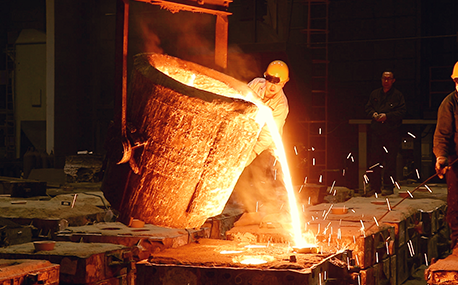
In the forging workshop, industrial furnaces smelt metals, including cupola, induction furnace, resistance furnace, electric arc furnace, vacuum furnace, open hearth furnace, crucible furnace, etc; There are sand mold drying furnace for baking sand mold, ferroalloy drying furnace and casting annealing furnace, etc; In the forging workshop, there are various heating furnaces for heating ingots or billets before forging and heat treatment furnaces for relieving stress after forging;
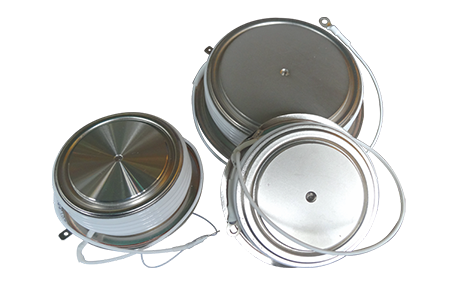
The most effective way for the failure of the medium frequency furnace is to use the low current experiment to judge whether it is the fault of the rectifier circuit or the fault of the inverter part. In the low current experiment, when the DC voltage is less than 513v, it indicates that there is a phase loss fault in the DC rectifier part. Check the specific thyristor fault, and the pulse breaking method should be used to judge whether it is the thyristor fault or there is no trigger pulse.
The most effective method for the failure of the intermediate frequency furnace is to use a small current experiment to judge whether the rectifier circuit is faulty or part of the inverter fault. When the DC current is less than 513 volts

Please send us your request and we will reply to you within 24 hours.
We will get in touch with you as soon as possible
